

Why homemade matcha drinks beat cafe versions
Making matcha at home transforms a $6–$8 cafe ritual into a manageable daily habit that costs less than $1 per serving. This isn't just about saving money; it is about reclaiming control over what goes into your cup. Cafe versions often rely on sweetened blends or lower-grade powders to mask bitterness, while homemade versions let you highlight the natural umami and vegetal notes of high-quality ceremonial grade matcha.
Beyond flavor, homemade preparation offers unmatched customization. You decide the milk type and sweetness level, avoiding hidden sugars. This control extends to temperature and texture, allowing you to whisk the perfect froth or chill it over ice exactly to your preference.
Pick ceremonial grade for better taste
Choosing the right matcha powder is the single most important decision in making a drink that actually tastes good. Many beginners buy the wrong kind because they assume all green tea powder is the same. The difference comes down to harvest time, processing, and intended use.
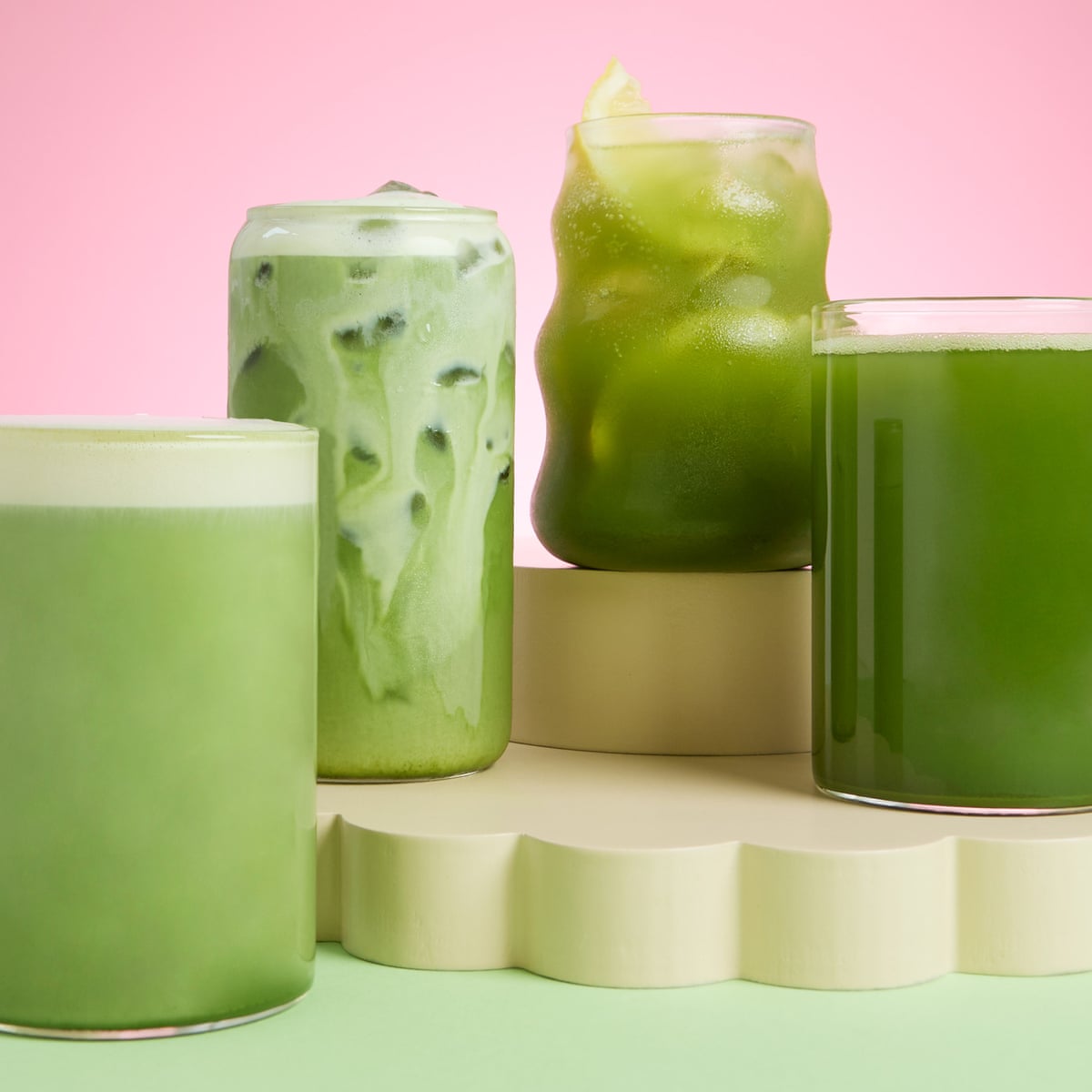
Ceremonial grade matcha is made from the youngest tea leaves, shaded before harvest to boost chlorophyll and amino acids. The result is a bright green powder with a smooth, umami-rich flavor and no bitterness. This is the only type suitable for drinking plain or with milk.
Culinary grade matcha comes from older leaves harvested later in the season. It has a stronger, more astringent flavor that can taste bitter when whisked with water alone. This powder is designed for baking, smoothies, or lattes where sugar and milk mask its sharpness. Using culinary grade in a simple latte will leave you with a grassy, unpleasant drink.
To make sure you are buying the right product, compare the two grades side-by-side before you purchase.
| Grade | Taste Profile | Best Use | Price Range |
|---|---|---|---|
| Ceremonial | Smooth, sweet, umami | Drinking plain or with milk | Higher ($20-$50+) |
| Culinary | Strong, astringent, bitter | Baking, smoothies, lattes | Lower ($10-$20) |
When shopping, look for "ceremonial grade" on the label. If the package says "culinary," "baking," or "latte grade," it is not suitable for a simple homemade matcha drink. Avoid any matcha that does not specify a grade; these are often low-quality blends that will disappoint your palate.
Whisk matcha without clumps
The texture of your matcha defines the drink. A gritty, clumpy bowl tastes bitter and feels unpleasant, while a smooth, creamy surface signals proper preparation. The goal is to suspend the fine powder in water, creating a homogeneous emulsion rather than a muddy soup.
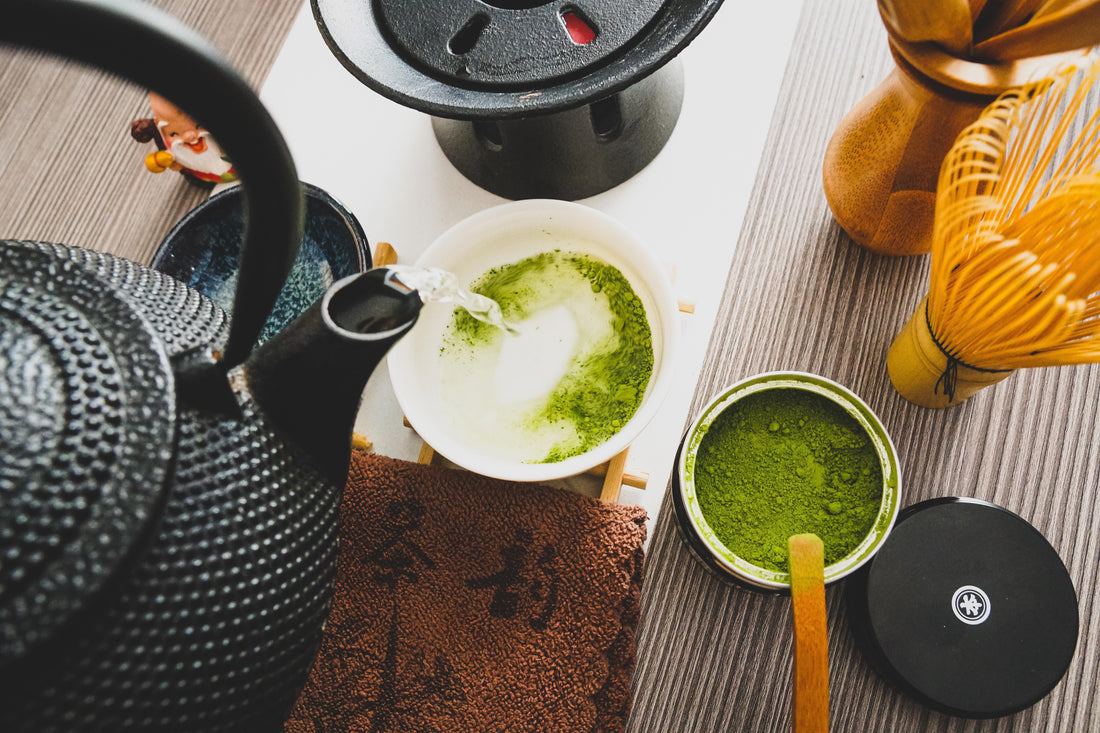
You need three things: a bamboo whisk (chasen), a bowl (chawan), and hot water. The water should be around 175°F (80°C). Boiling water scorches the leaves, turning the vibrant green to dull brown and releasing harsh tannins. Sifting the matcha first removes the inevitable clumps that form during storage.
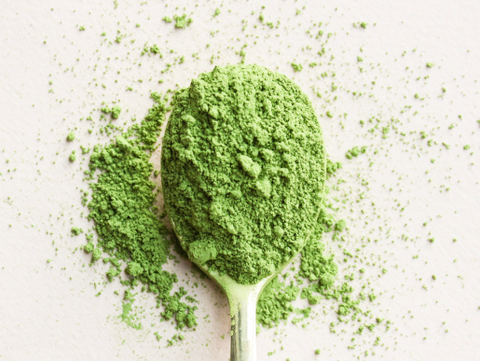
Place a fine-mesh sieve over your bowl. Add 1 to 2 teaspoons of matcha powder. Tap the side of the sieve gently to let the powder fall through. This step is non-negotiable for a smooth texture. If you skip it, the whisk will struggle to break up the dry clumps.
Pour in 2 to 3 ounces of hot water (175°F). Do not use boiling water. The small amount of water creates a thick paste, known as koicha consistency, which is easier to whisk smoothly than a large volume of liquid. This paste forms the base for your drink.
Hold the whisk vertically. Whisk briskly back and forth in a 'W' or 'M' shape. Do not press the tines against the bottom of the bowl, or they will break. Use your wrist, not your arm. Whisk for 15 to 30 seconds until you see a layer of fine foam on the surface.
Lift the whisk and look at the surface. It should be smooth with tiny, uniform bubbles. If you see large bubbles or dry powder, whisk for another 10 seconds. If clumps persist, you may need to sift again or add a tiny splash of water to loosen the paste before whisking once more.
-
"Use ceremonial grade matcha for best flavor"
-
"Water temperature should be 175°F, not boiling"
-
"Whisk in a W-motion, not a circular one"
-
"Sift powder before adding water"
This method works for both hot and iced versions. The key is the initial paste. Once you have a smooth, clump-free base, adding milk or ice becomes a simple assembly. Avoid using electric milk frothers for the matcha itself; they often leave dry powder at the bottom. The bamboo whisk gives you control over the texture and aeration that machines cannot replicate.
Choose the right milk for your latte
The milk you pick changes how the matcha tastes and feels in your mouth. Dairy milk brings a creamy sweetness that balances the grassy bitterness of the tea. Plant-based options offer different textures and flavor notes that can either complement or compete with the matcha.
Oat milk is a popular choice because it steams well and has a neutral, slightly sweet flavor. It creates a thick, velvety foam that holds up well in both hot and iced lattes. Almond milk is lighter and nuttier, which works well if you want a less heavy drink. Soy milk provides a protein-rich creaminess similar to dairy but with a distinct bean flavor.
Coconut milk adds a tropical richness that pairs nicely with the earthy notes of matcha. However, it can sometimes overpower the tea if used in large quantities. If you prefer a lighter option, rice milk is very thin and watery, so it may not create the same luxurious texture as oat or dairy. Experiment with different milks to find the balance that suits your palate best.
Add sweetness without overpowering
The goal is to lift the grassy, umami notes of the matcha, not bury them under sugar. Too much sweetener turns a refined drink into a dessert, masking the complex flavor profile you spent time whisking. Start with a small amount and taste before adding more.
Natural liquid sweeteners
Maple syrup and agave nectar blend easily into both hot and iced matcha. They add a subtle depth that granulated sugar lacks. Use about half a tablespoon per cup. This ratio keeps the drink light while providing enough sweetness to balance the natural bitterness of the tea leaves.
Low-calorie alternatives
For a lighter option, stevia or monk fruit extract work well. These natural, zero-calorie sweeteners are potent, so a tiny drop goes a long way. They don’t add bulk or thickness, keeping the matcha’s texture clean and smooth. Adjust to taste, as these can have a slight aftertaste if overused.
Avoiding common mistakes
Skip artificial sweeteners like aspartame or sucralose. They often leave a chemical finish that clashes with the earthy notes of matcha. Also, avoid adding too much honey if you want a clean taste; its strong floral flavor can dominate the tea. Less is more when it comes to sweetening matcha.
Serve hot or cold for any season
Homemade matcha drinks are versatile enough to adapt to whatever temperature you need. The same base mixture of whisked powder and water can be transformed into a refreshing iced latte or a comforting hot cup depending on the season.
Make an iced matcha latte
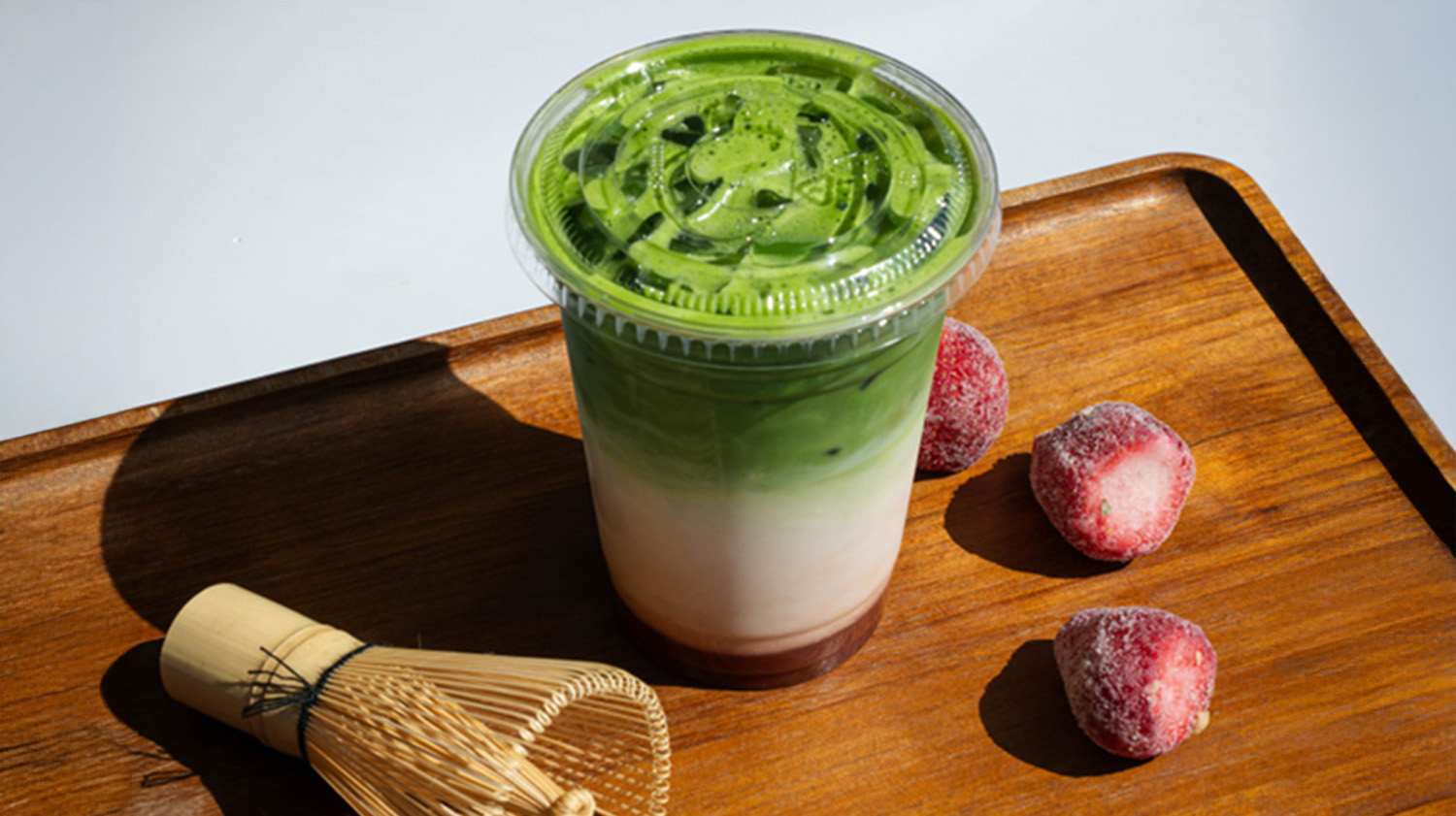
For a cold drink, whisk your matcha with a small amount of hot water until smooth. Pour this concentrated mixture over a glass filled with ice. Top it off with your choice of cold milk, whether dairy or plant-based, and stir gently to combine.
This method creates a layered effect that settles as you drink. It is the most popular way to enjoy matcha because the cold temperature highlights the sweet, vegetal notes without the bitterness that can sometimes appear in hot preparations.
Warm it up for a hot latte
If you prefer warmth, skip the ice entirely. Whisk the matcha with hot water (not boiling, to preserve the color and nutrients) and pour it directly into a mug. Add steamed or heated milk and a sweetener if desired.
The texture of a hot matcha latte is often creamier and more soothing. It works well as a morning ritual or an afternoon pick-me-up when you want the steady energy boost without the jitters of coffee.
Avoid common matcha mistakes
Even a simple homemade matcha drink can turn bitter or clumpy if a few small steps are skipped. The difference between a smooth, vibrant bowl and a chalky, unpleasant one usually comes down to water temperature and powder preparation.
Start by sifting two teaspoons of ceremonial grade matcha into a bowl. This breaks up the fine powder, which tends to clump easily. Skipping this step often leads to dry pockets of powder that water can’t penetrate, leaving you with a gritty drink.
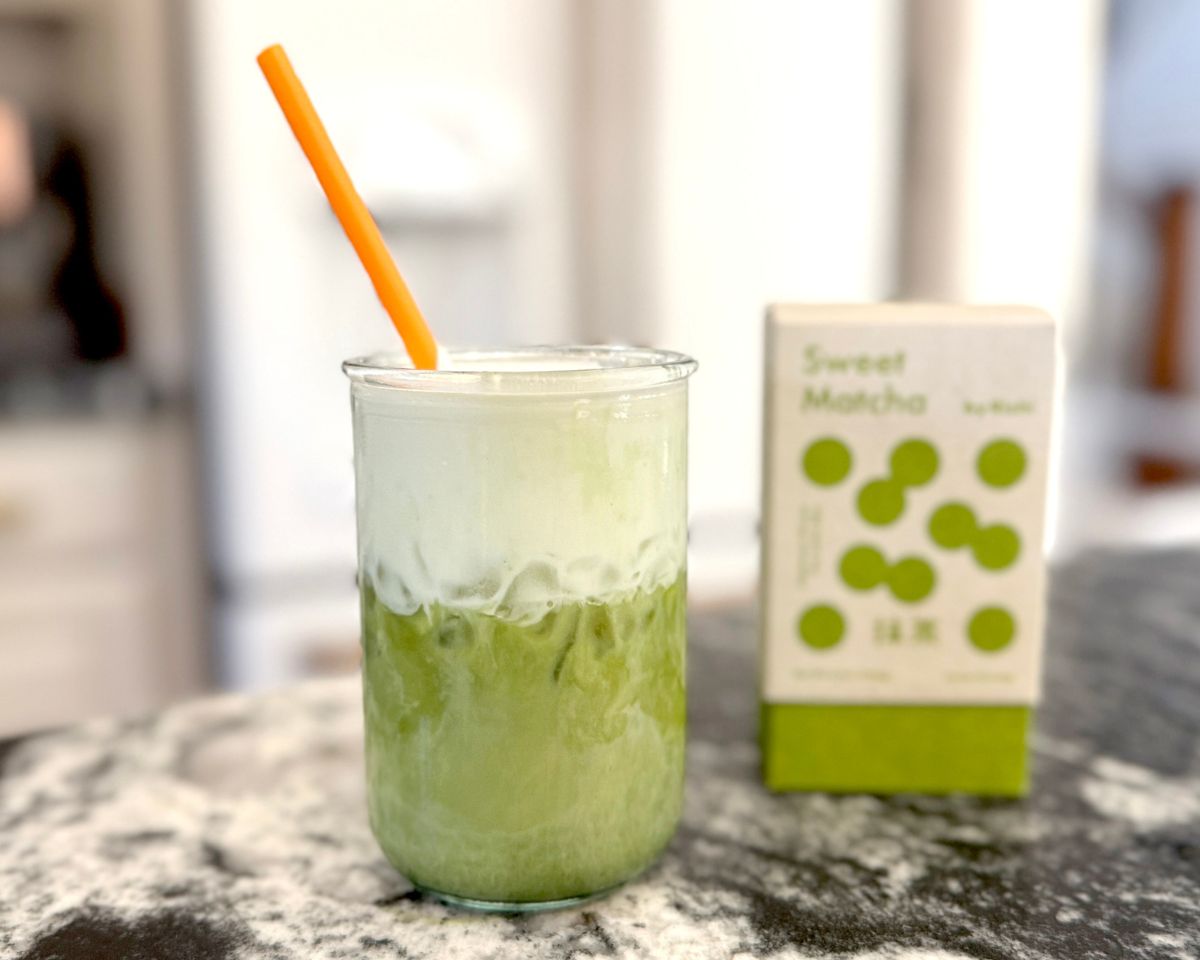
Next, add hot water—not boiling. Water at 175°F (80°C) is ideal. Boiling water scorches the delicate leaves, releasing excessive tannins that make the drink bitter. If you’re making iced matcha, whisk the powder with a small amount of warm water first to create a smooth paste, then pour it over ice and cold milk or water.
Whisk vigorously in a "W" motion using a bamboo chasen. This incorporates air, creating the frothy layer that signals a well-made cup. If you’re in a rush, a handheld electric frother works well, though it won’t achieve the same traditional texture.
Finally, taste before sweetening. High-quality matcha should have a natural sweetness balanced by umami. If it tastes overly bitter, your water was likely too hot or the powder was old. Store your matcha in an airtight container in the fridge to preserve its freshness and vibrant green color.
Health benefits of matcha explained
Homemade matcha drinks deliver more than just a gentle caffeine boost. The powdered leaves contain high levels of antioxidants called catechins, which help protect cells from damage. Because you consume the whole leaf rather than steeping and discarding it, you get a significantly higher concentration of these compounds compared to standard brewed green tea.
The unique calming effect of matcha comes from L-theanine, an amino acid that promotes relaxation without drowsiness. L-theanine works alongside caffeine to smooth out the energy curve, preventing the jitters often associated with coffee. This combination allows for a sustained, focused alertness that lasts for hours.
Including matcha in your daily routine supports overall wellness by providing a natural, steady source of energy. It is a simple addition to your morning ritual that offers both mental clarity and physical protection through its nutrient-dense profile.
No comments yet. Be the first to share your thoughts!