

Matcha Cookies & Lattes: A Perfect Pair
A warm matcha latte and a sweet treat are comforting. The caffeine from matcha and the creamy milk feel like a hug in a mug. Pairing matcha cookies with your latte extends that feeling, offering a cookie that echoes the drink's flavor.
Matcha is gaining popularity, moving from cafes into home kitchens. People recognize its unique flavor and energy boost. Exploring this flavor with a cookie works well. The slight bitterness of matcha balances with sweetness, making it a versatile baking ingredient.
This recipe delivers warm matcha cookies in 15 minutes. It’s perfect for a quick pick-me-up or impressing guests without hours in the kitchen. First, let's discuss why this pairing works.
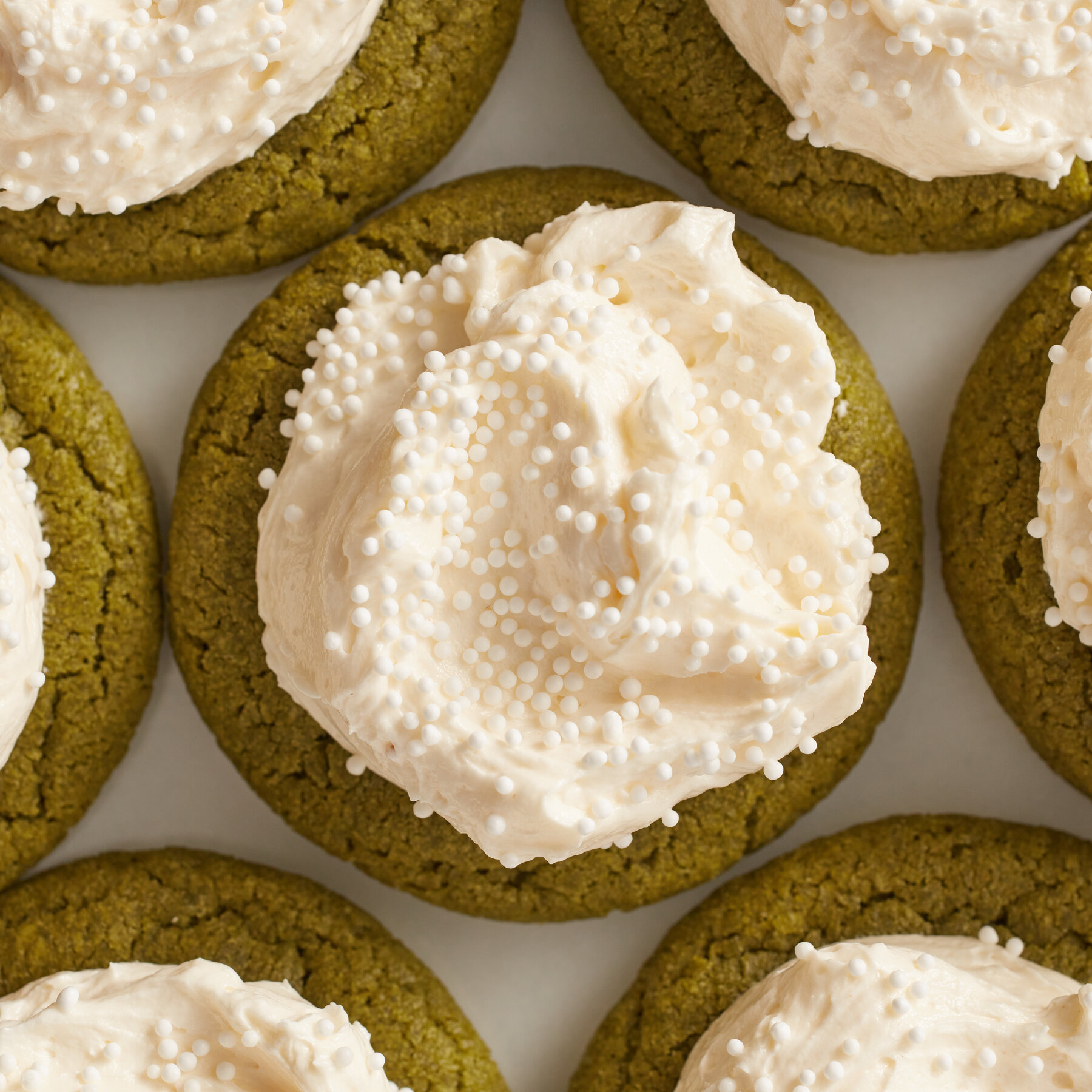
Why Matcha Cookies Work
Matcha's flavor is complex, with a subtle bitterness, vegetal freshness, and umami quality. This profile makes it an interesting partner for sweetness. It balances well with sugar.
The fat content in cookies mellows matcha's intensity, creating balance and preventing it from being overpowering. Sweetness complements matcha, bringing out its delicate notes. This interaction between bitter and sweet engages taste buds.
A matcha cookie with a latte creates a cohesive, satisfying experience. The cookie amplifies the latte's flavor, and the latte enhances the cookie.
The 15-Minute Cookie Recipe
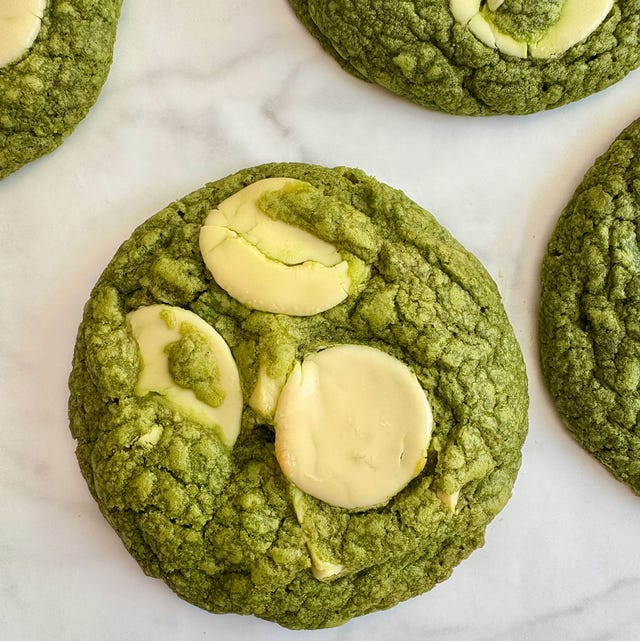
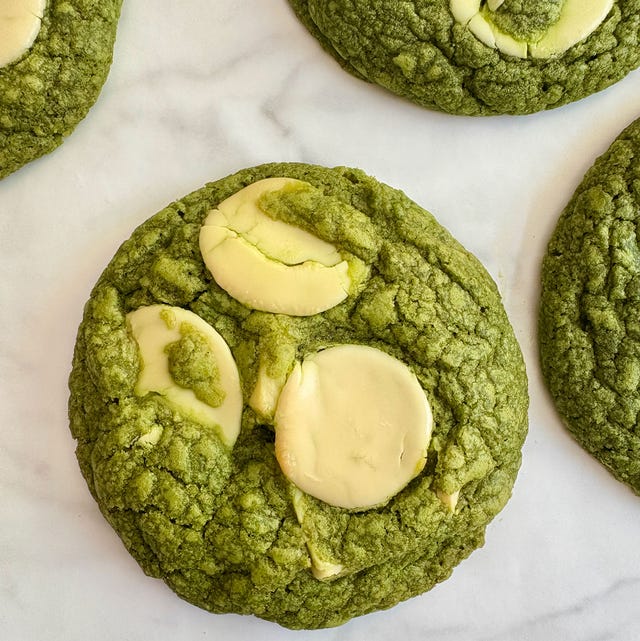
This recipe is adapted from the City of San Diego and is simple to make. It’s designed for speed and ease, without sacrificing flavor. You’ll need: 1 1/3 cup chopped white chocolate, 14 tablespoons of softened butter, 1 1/2 cups sugar, 2 eggs, 2 1/4 cups flour, 1/2 teaspoon baking soda, and 2 tablespoons of matcha powder.
Preheat your oven to 330°F. Sift together the flour, matcha powder, and baking soda to ensure even distribution and prevent clumps. Set this dry mixture aside. Beat the butter and sugar together until creamy. A stand mixer or hand mixer works well.
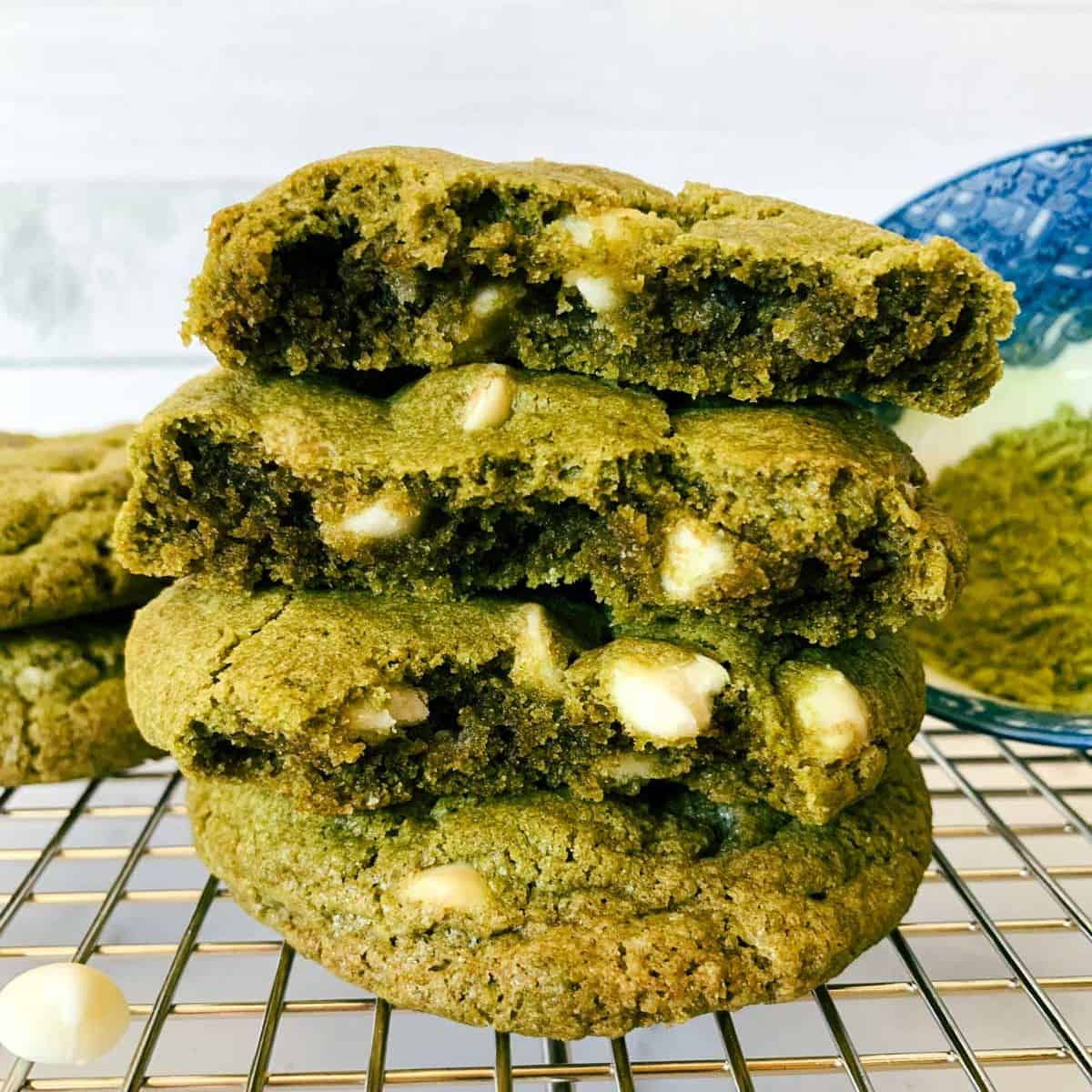
Add the eggs one at a time to the creamed butter and sugar, mixing well after each addition. Slowly incorporate the dry ingredients into the wet ingredients, mixing until just combined. Avoid overmixing to prevent tough cookies. Stir in the chopped white chocolate. Drop rounded tablespoons of dough onto a parchment-lined baking sheet.
Bake for 8-10 minutes, until the edges are lightly golden brown. Let the cookies cool on the baking sheet for a few minutes before transferring them to a wire rack to cool completely. The whole process takes around 15 minutes. Using high-quality matcha powder impacts the flavor and color of your cookies.
- Preheat oven to 330°F.
- Mix flour, matcha powder, and baking soda; sift and set aside.
- Beat butter and sugar until creamy.
- Add eggs slowly to the creamed mixture.
- Slowly add the dry mixture.
- Add the chopped white chocolate.
- Drop rounded tablespoons onto a parchment-lined baking sheet.
- Bake for 8-10 minutes.
Matcha Latte Basics
To make a simple matcha latte, you’ll need 1-2 teaspoons of matcha powder, a few ounces of hot (but not boiling) water, and your milk of choice. Whisking the matcha properly is key. Traditionally, this is done with a bamboo whisk called a chasen.
Whisk the matcha and hot water together in a zig-zag motion until frothy. A small whisk or milk frother can be used if you don’t have a chasen. Once the matcha is whisked, add it to your mug and top with steamed milk. Oat milk, dairy, or almond milk work well.
Adjust sweetness to your liking with honey or maple syrup. Finding your balance is key. For more on making matcha lattes, see other articles on the site.
Variations & Add-Ins
Both the cookie and latte recipes are versatile. For the cookies, add 1/2 cup of white chocolate chips. Dark chocolate chunks offer a contrast to the matcha, and chopped macadamia nuts add crunch.
Sprinkle sea salt on top of the cookies before baking to enhance sweetness and bring out matcha flavor. Add a pinch of cardamom or cinnamon to the cookie dough for a warmer spice profile. For the latte, add vanilla, lavender, or hazelnut syrup.
Spices like cinnamon or cardamom work in the latte. Experiment with different milk alternatives;
What's Your Matcha Pairing Personality?
You've mastered the 15-minute matcha cookie and are ready to elevate your homemade matcha latte experience! But which cookie and latte combination is *truly* your perfect match? Take this quick quiz to discover your ideal pairing and unlock ultimate matcha bliss.
Beyond the Basic Pairing
While matcha cookies and lattes are a match made in heaven, the pairing potential doesn’t stop there. Matcha complements a variety of desserts beautifully. Mochi, with its chewy texture and subtle sweetness, is a classic Japanese pairing with matcha. Japanese cheesecake, known for its light and fluffy texture, is another excellent choice.
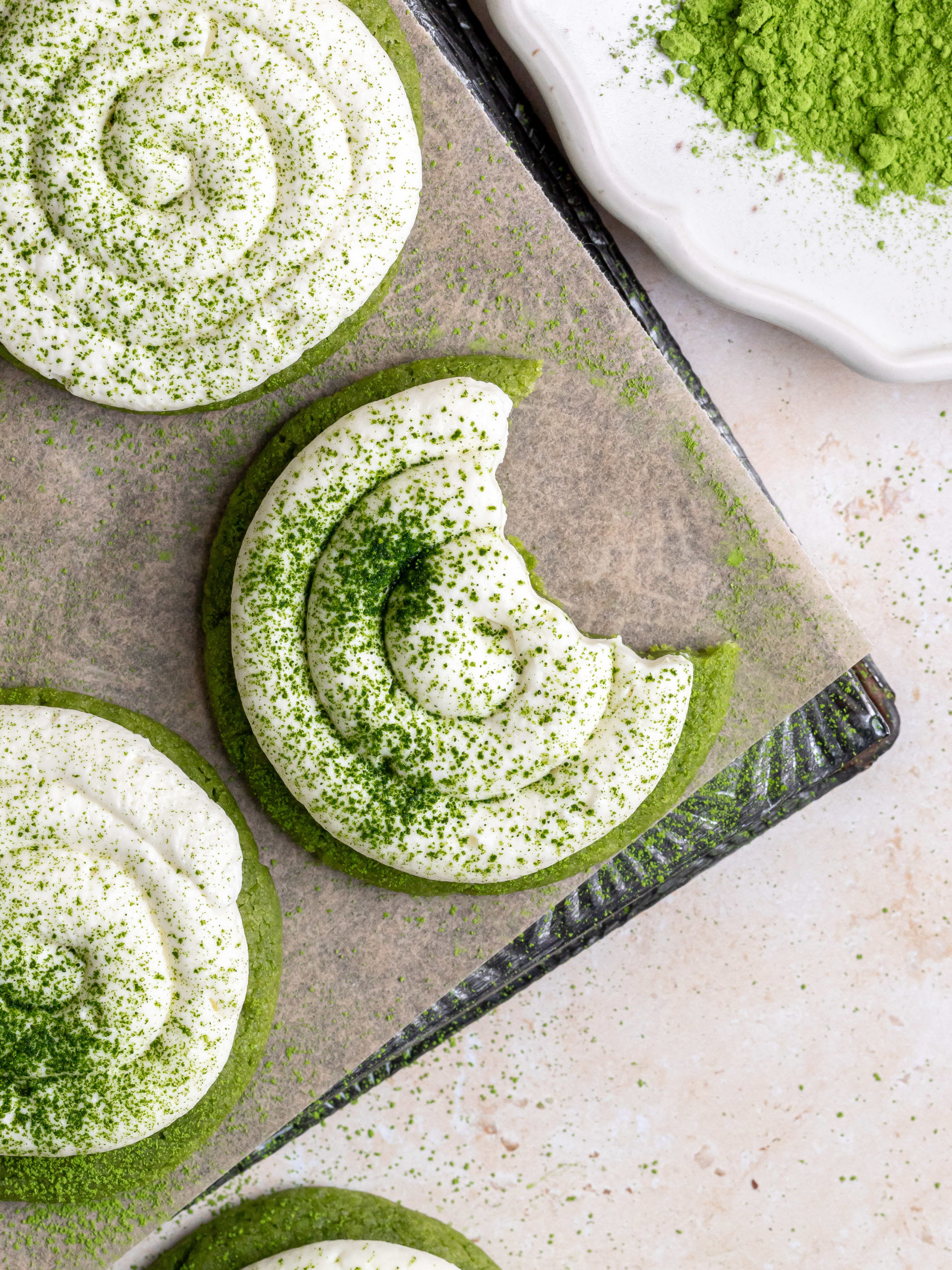
Red bean paste treats, like dorayaki, also pair wonderfully with matcha. The sweetness of the red bean paste balances the slight bitterness of the matcha perfectly. The NYT Cooking recipe for Matcha Latte Cookies even features an ermine frosting, a boiled milk frosting, which takes the cookies to a whole new level of sophistication.
Matcha has a rich cultural history in Japan, where it’s traditionally enjoyed with wagashi – small, delicate sweets. These sweets are designed to complement the flavor of the matcha, creating a harmonious and balanced experience. Understanding this tradition can give you a deeper appreciation for the pairing.
Troubleshooting & Common Mistakes
Even with a simple recipe, things can sometimes go wrong. If your cookies are spreading too thin, it could be due to using butter that’s too soft or overmixing the dough. Make sure your butter is softened, but not melted, and mix the ingredients until just combined. If the cookies are crumbly, it could be a sign that you didn’t use enough liquid or that you overbaked them.
Another common issue is not getting enough matcha flavor. This usually happens when you don’t use enough matcha powder or when you use a low-quality powder. Invest in a good quality matcha, and don’t be afraid to add a little extra – up to 3 tablespoons – if you want a stronger flavor. I once accidentally used baking powder instead of baking soda, and the cookies puffed up and then collapsed – a classic baking mistake!
If your matcha latte is too bitter, try adding a little more milk or sweetener. If it’s not frothy enough, make sure your water isn’t too hot and that you’re whisking vigorously. Remember, practice makes perfect. Don’t be discouraged if your first attempt isn’t perfect – just keep experimenting until you find what works best for you.
Sourcing Quality Matcha
Not all matcha is created equal. There are different grades of matcha, primarily ceremonial and culinary. Ceremonial grade matcha is made from the youngest tea leaves and is intended for traditional tea ceremonies. It has a more delicate flavor and a vibrant green color. Culinary grade matcha is made from older leaves and is better suited for baking and smoothies.
When buying matcha, look for a bright green color and a fine texture. Avoid matcha that is dull or yellowish, as this indicates it’s old or low quality. The origin of the matcha also matters; matcha from Uji, Japan, is considered to be the highest quality. The processing method also plays a role – stone-ground matcha is generally considered superior to matcha that is ground using other methods.
I personally recommend Ippodo Tea Co. for ceremonial grade matcha, and Jade Leaf Matcha for a more affordable culinary grade option. You can find both brands online and at specialty tea shops. A little research can go a long way in ensuring you’re getting the best possible matcha for your lattes and cookies. It truly makes a difference in the final flavor.
No comments yet. Be the first to share your thoughts!