

Why homemade matcha beats cafe lattes
Making matcha at home transforms a daily ritual into a customizable experience that cafes simply cannot match. When you brew your own latte, you control the quality of every ingredient, ensuring you get vibrant, ceremonial-grade powder rather than the dull, bitter blends often used in busy shops. This control extends to your milk choice and sweetness level, allowing you to tailor the drink to your exact taste preferences without compromise.
The financial benefit is immediate and significant. A typical cafe matcha latte costs between $5 and $7, while a high-quality batch made at home costs roughly $0.50 to $1.00 per cup. This drastic difference means you can enjoy a premium beverage daily without the premium price tag, turning an occasional treat into an affordable everyday habit.
Beyond cost and customization, homemade matcha offers superior freshness. Matcha powder begins to lose its delicate flavor and antioxidant properties once exposed to air. By preparing it immediately before drinking, you preserve the bright, umami-rich notes and the calming effects of L-theanine, ensuring each sip delivers the full sensory experience intended by traditional preparation methods.
Choosing the right matcha powder
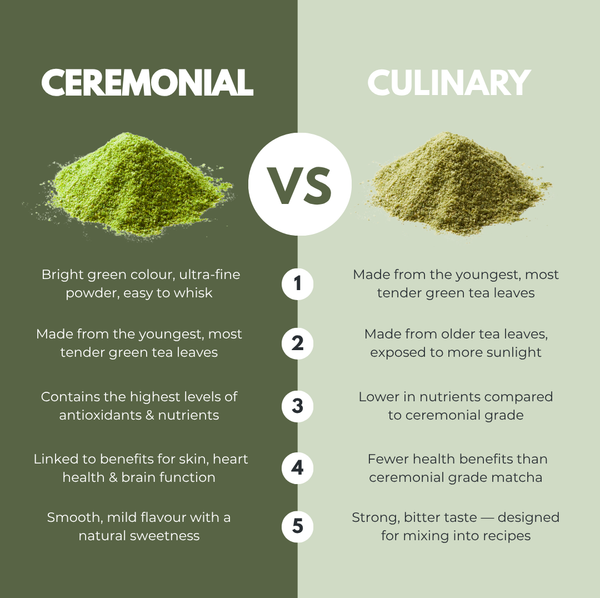
The foundation of a creamy, vibrant matcha latte is the quality of the powder itself. Using the wrong grade is the most common reason homemade lattes turn out bitter, muddy, or dull. To avoid this, you need to understand the difference between ceremonial and culinary grades, as they serve distinct purposes in the kitchen.
Ceremonial grade matcha is stone-ground from the youngest tea leaves, resulting in a fine, bright green powder with a smooth, umami-rich flavor. It is designed to be whisked with hot water and enjoyed on its own. Culinary grade matcha is made from slightly older leaves, offering a stronger, more astringent flavor profile that holds up well against milk and sweeteners. For a latte, culinary grade is often the practical choice, but high-quality culinary powder can still deliver excellent results.
| Grade | Price Range | Flavor Profile | Best Use Case |
|---|---|---|---|
| Ceremonial | $20-$40 per 30g | Smooth, sweet, umami | Drunk plain with hot water |
| Culinary | $10-$20 per 100g | Bold, astringent, grassy | Lattes, baking, smoothies |
| Premium Culinary | $15-$25 per 100g | Balanced, less bitter | Latte with minimal sweetener |
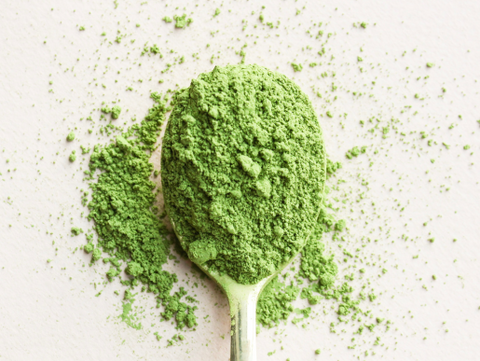
When selecting your powder, look for a vibrant, neon-green color rather than a dull, olive-green hue. The color indicates the presence of chlorophyll and amino acids, which contribute to the smooth texture and subtle sweetness. Avoid powders that look dusty or brownish, as these are often older or improperly stored. The packaging should also be opaque and airtight to protect the delicate leaves from light and oxygen, which degrade flavor quickly.

While many brands tout health benefits, the primary goal here is flavor. High-quality matcha contains L-theanine, an amino acid that promotes calm focus without the jittery crash associated with coffee. This effect is most pronounced in ceremonial grades, but even culinary grades offer a gentle lift. By choosing the right powder, you ensure your latte is not just a caffeine fix, but a genuinely enjoyable, creamy beverage.
Essential tools for clump-free matcha
You don’t need a professional tea ceremony set to make a creamy matcha latte, but having the right equipment makes a huge difference in texture. The goal is to dissolve the powder completely, avoiding the gritty clumps that sink to the bottom of your cup. With a few simple tools, you can achieve that smooth, frothy consistency that defines a great latte.
Start with a sifter. Matcha powder is fine and tends to clump from humidity during storage. Sifting it into your bowl before adding liquid ensures a smooth base. A small mesh sieve works perfectly for this. If you don’t have one, a fine tea strainer is a good substitute.
Next, choose a whisk. The traditional bamboo whisk, or chasen, is designed with many fine tines that whip air into the matcha, creating a natural foam. If you’re looking for a budget-friendly alternative, a small electric milk frother works well for blending and frothing. While it won’t create the same delicate foam as bamboo, it effectively breaks up clumps and mixes the powder evenly.
Finally, pick a bowl. A wide, shallow bowl gives the whisk room to move in a “W” or “M” motion, which is key to incorporating air. A standard coffee mug is too narrow for a bamboo whisk, but it’s fine for an electric frother. The shape matters less than the space you have to work with.
Step-by-step hot matcha latte recipe
Making a hot matcha latte at home is straightforward once you master the water temperature and whisking motion. The goal is to create a smooth, creamy emulsion without clumps or bitterness. We will walk through the process using a bamboo whisk (chasen) for the best texture, though a milk frother works as a backup.
Heat 2 tablespoons of filtered water to about 175°F (80°C). Water that is boiling will scorch the delicate matcha powder, resulting in a bitter taste. Simultaneously, warm your milk of choice in a small saucepan or microwave until it is hot but not boiling. This temperature balance is essential for a sweet, mellow flavor profile.
Place a fine-mesh sieve over a small bowl or your matcha cup. Sift 1 to 2 teaspoons of ceremonial-grade matcha powder into the bowl. Sifting is a non-negotiable step; it breaks up the natural clumps that form in the powder, ensuring a smooth whisking process and a consistent, vibrant green color in your final latte.
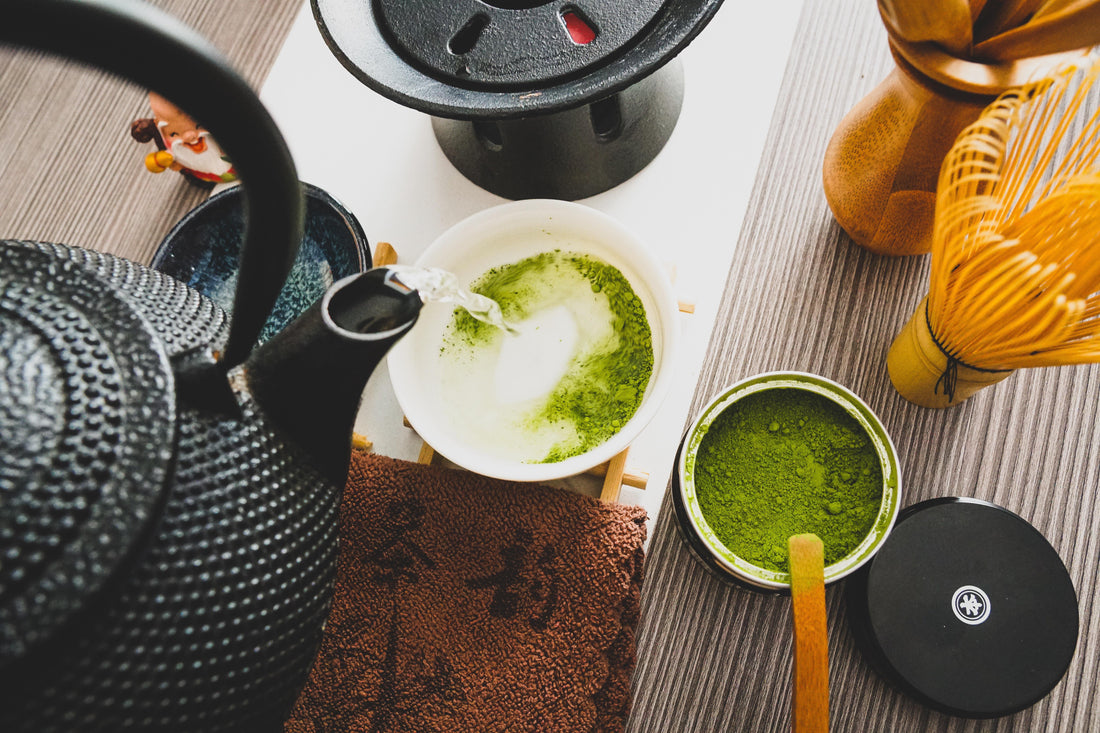
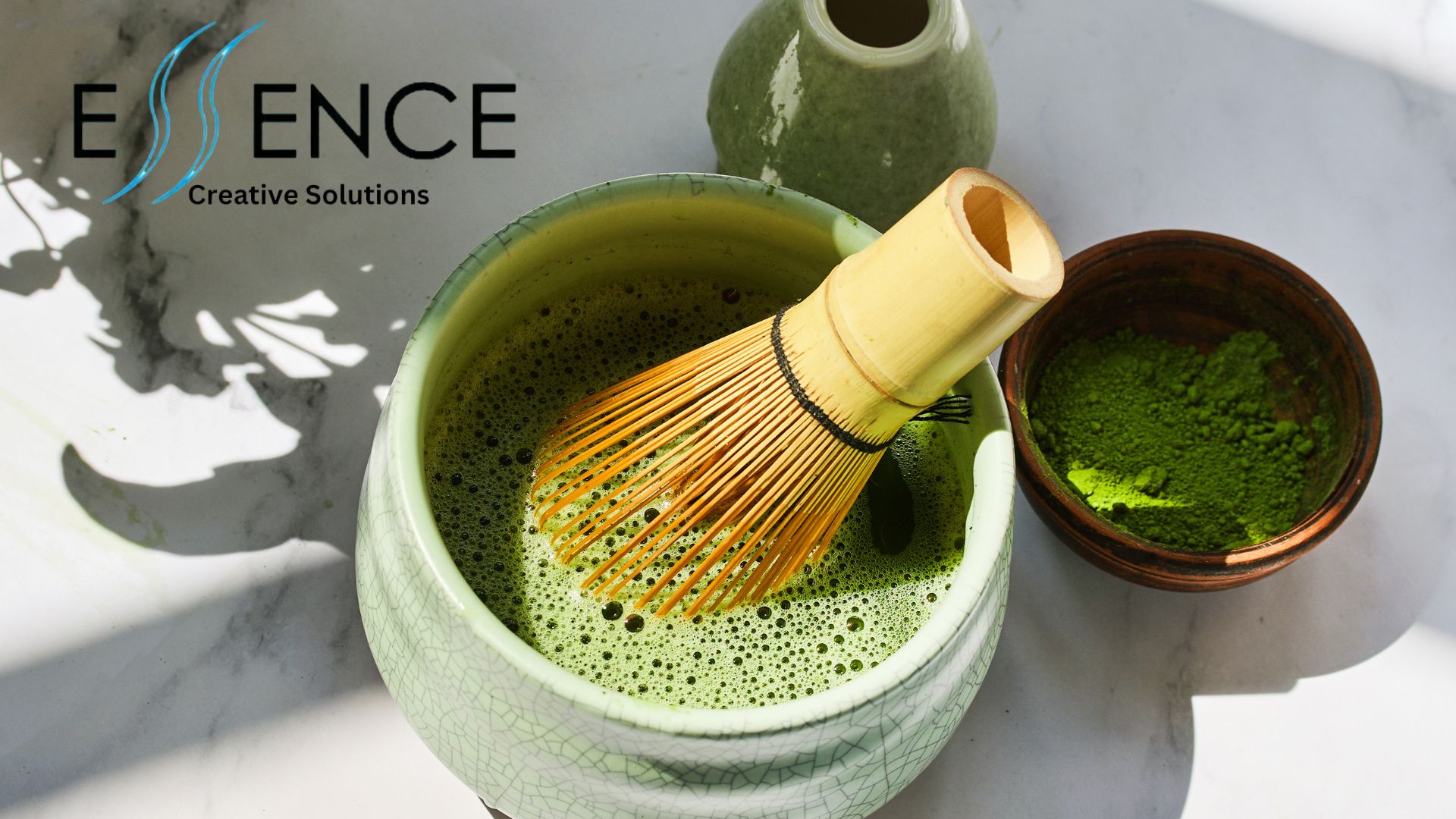
Pour the hot water over the sifted matcha. Using a bamboo whisk (chasen), whisk vigorously in a quick "W" or "M" motion. Do not stir in a circular pattern, as this will not incorporate enough air. Whisk for about 15–20 seconds until the mixture becomes a glossy, frothy paste with no visible powder particles remaining.
While the matcha is whisking, froth your warm milk. If you have a handheld frother, submerge the head just below the surface and pull up slightly to create microfoam. If using a saucepan, whisk the milk vigorously until it is hot and creamy. The milk should have a velvety texture that pours easily, similar to melted ice cream.
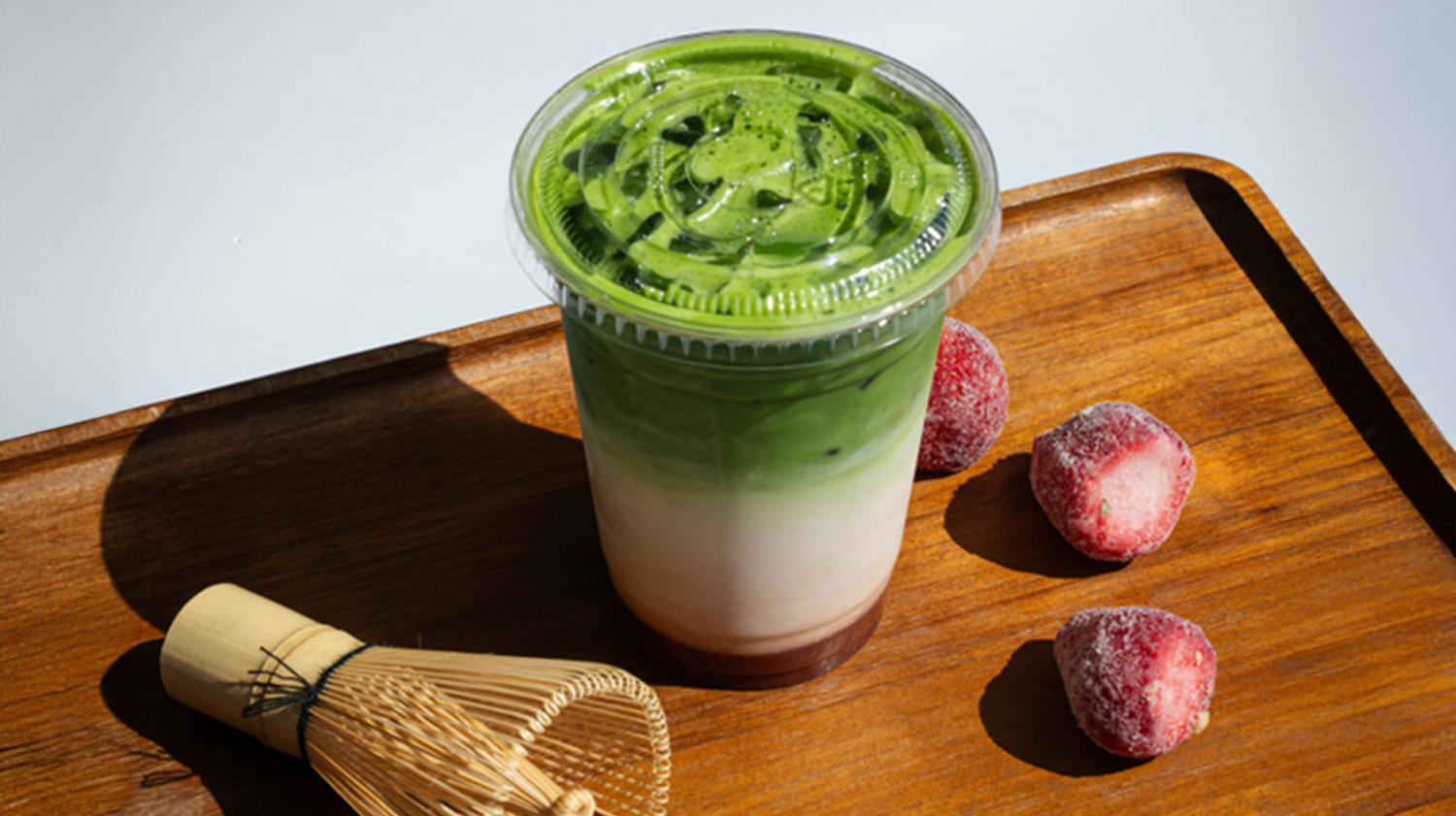
Pour the frothed milk into the whisked matcha paste. For a layered look, pour slowly over the back of a spoon. If you prefer a uniform latte, pour the milk directly into the center and stir gently. Add a sweetener like honey or maple syrup if desired, stirring until fully dissolved. Serve immediately to enjoy the fresh, grassy notes and the calming effects of L-theanine.
Making iced matcha lattes without clumps
Iced matcha is a refreshing summer staple, but it has one notorious enemy: clumps. Matcha powder is finely ground and loves to stick together when it hits cold liquid. If you just dump the powder into a glass of ice and milk, you will end up with gritty pockets of green dust floating in your drink. The secret to a smooth, vibrant latte is simple chemistry—dissolve the powder in hot water first.
Think of this step like blooming spices or dissolving cocoa. The heat breaks down the surface tension and allows the powder to disperse evenly. Once the matcha is fully dissolved in a small amount of hot water, it becomes a concentrated liquid that mixes effortlessly with cold milk. This method ensures every sip has that signature creamy texture and bright green color, rather than a watery, speckled mess.
To get started, place two teaspoons of high-quality matcha powder into a small bowl or mug. Add just one to two tablespoons of hot water—ideally around 175°F (80°C), which is just below boiling. Too-hot water can scorch the leaves and make the matcha bitter, while too-cold water won’t dissolve it properly.

Sift two teaspoons of matcha into a small bowl to break up any initial clumps before you even add water. This pre-sifting makes the whisking process much smoother.

Pour in one to two tablespoons of hot water. The water should be hot enough to melt the powder but not boiling, which preserves the delicate L-theanine and prevents bitterness.
Use a bamboo whisk (chasen) or a small milk frother to whisk the mixture vigorously in a W-shape motion. Continue until the powder is completely dissolved and a thin layer of foam forms on top. This is your matcha concentrate.

Fill a tall glass with ice cubes and pour in your cold milk of choice. Slowly pour the warm matcha concentrate over the ice. The contrast in temperature creates a beautiful layered effect, and the cold milk will immediately blend with the smooth concentrate.
A quick checklist can help you remember the critical steps for a perfect iced matcha latte every time:
-
Sift the matcha powder to remove lumps
-
Dissolve powder in 1-2 tbsp hot water (not boiling)
-
Whisk until fully smooth and foamy
-
Pour concentrate over ice and cold milk
Once you master this hot-water dissolution step, making iced matcha becomes as easy as pouring a glass of juice. The texture will be velvety, the flavor balanced, and the visual appeal undeniable. No more gritty clumps, just a creamy, energizing drink ready in minutes.
Common mistakes that ruin matcha flavor
Even experienced drinkers can stumble over the basics of matcha preparation. A bitter or clumpy latte usually stems from simple, fixable errors in temperature, mixing, or quality. Identifying these pitfalls early helps you achieve the smooth, creamy texture and sweet, umami-rich flavor that defines a great cup.
Using water that is too hot
Temperature is the most critical variable in matcha preparation. Boiling water scorches the delicate tea leaves, releasing excessive tannins that result in a harsh, unpleasant bitterness. To preserve the natural sweetness and vibrant green color, always use water heated to between 160°F and 175°F (70°C–80°C).
Skipping the sift
Matcha powder is finely ground and prone to clumping due to static and moisture. Adding unsifted powder directly to water creates stubborn lumps that whisking alone cannot break down. Always sift your matcha into your bowl before adding liquid. This simple step ensures a smooth base and prevents the gritty texture that ruins the mouthfeel of your latte.
Incorrect whisking technique
The goal of whisking is not to beat air into the powder, but to disperse it evenly. Using a back-and-forth sawing motion with a bamboo whisk (chasen) often results in clumps. Instead, use a rapid "W" or "M" motion to whisk the powder and water together until a fine foam forms on the surface. This creates the emulsion necessary for a creamy texture.
No comments yet. Be the first to share your thoughts!