

Choosing the right matcha powder
The difference between a bitter, grassy drink and a vibrant, smooth homemade matcha latte comes down to one thing: the grade of the powder. Matcha is not a single product; it is categorized by how the leaves were grown, harvested, and processed. Using the wrong grade for your drink is like using cooking oil for a salad—it might technically be the same plant, but the experience will be unpleasant. For the best homemade matcha drinks, you need to understand the distinction between ceremonial and culinary grades before you buy.
Ceremonial grade matcha is made from the youngest, tenderest leaves on the tea bush, which are shade-grown to boost chlorophyll and amino acids like L-theanine. This results in a powder that is bright emerald green, finely milled, and naturally sweet with umami notes. It is designed to be whisked with water or milk and drunk on its own, without added sugar. Culinary grade matcha, on the other hand, is made from older leaves. It has a deeper, darker green color, a more astringent taste, and a lower price point. It is intended to be masked by other ingredients like sweeteners, fruit, or dairy.
To help you decide which tin belongs in your pantry, here is a direct comparison of the two most common grades you will encounter.
| Feature | Ceremonial Grade | Culinary Grade |
|---|---|---|
| Color | Vibrant emerald green | Darker, yellowish-green |
| Taste | Sweet, umami, smooth | Astringent, bitter, robust |
| Price | Higher ($20–$50+ per tin) | Lower ($10–$20 per tin) |
| Best For | Straight lattes, tea ceremonies | Baking, smoothies, iced lattes |
If your goal is a creamy, comforting latte or a simple whisked tea, invest in ceremonial grade. The subtle sweetness means you can often skip the sugar entirely. If you are making a blended iced matcha drink with banana, honey, or chocolate, culinary grade is the smarter financial choice. Its stronger flavor stands up well to heavy mix-ins, and you won't miss the delicate nuances that ceremonial grade offers.
Classic iced matcha latte recipe
Making homemade matcha drinks starts with mastering this simple, crowd-pleasing base. The classic iced matcha latte balances the grassy, umami notes of ceremonial-grade powder with creamy milk and sweetener, served over ice for a refreshing afternoon pick-me-up. The secret lies in properly whisking the powder to eliminate clumps and create a smooth, vibrant green foam before it ever meets the cold.
Step 1: Sift and whisk the matcha
Place 2 teaspoons of ceremonial matcha powder into a small bowl or wide mug. Sifting is non-negotiable; it breaks up the fine clumps that form when matcha is stored. Add 2 tablespoons of hot water (about 175°F or 80°C)—never boiling, as it burns the leaves. Whisk vigorously in a "W" motion using a bamboo chasen or a small electric frother until a thin, bright green foam forms on top.
Step 2: Prepare the milk and sweetener
While the matcha rests, choose your milk. Oat milk is a popular choice for homemade matcha drinks because its natural sweetness complements the earthiness of the tea, but almond, soy, or dairy work well too. Pour 1 cup of your chosen milk into a jar or pitcher. Add 1 tablespoon of honey, vanilla syrup, or simple syrup, depending on your taste preference. Shake or stir until the sweetener is fully dissolved.
Step 3: Assemble the drink
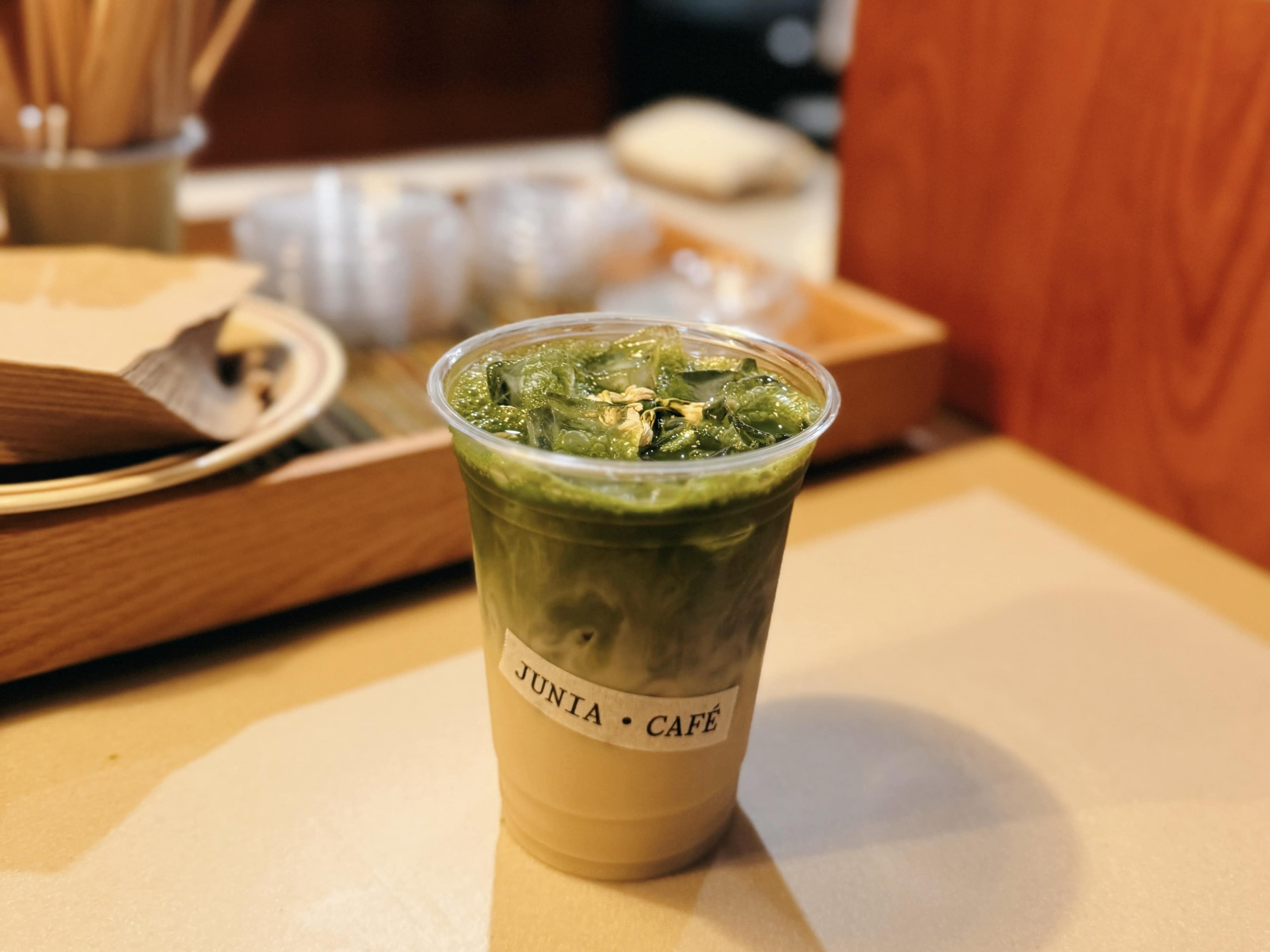
Fill a tall glass to the brim with ice cubes. Pour the sweetened milk over the ice, leaving about an inch of space at the top. Slowly pour the whisked matcha mixture over the ice. The density difference often creates a beautiful two-toned gradient. Stir gently before drinking to blend the layers, or enjoy the separation for a visually striking drink.
Quick checklist for success
-
Use ceremonial grade matcha only; culinary grade is too bitter for this style.
-
Water temperature should be hot but not boiling to preserve nutrients and flavor.
-
Sift the powder every time to ensure a smooth texture without lumps.
-
Whisk until you see visible foam on the surface for the best mouthfeel.
Variations with milk and fruit
The base matcha latte is just the starting point. Once you have the whisked powder and water, you can pivot to any flavor profile you crave. Adding milk softens the vegetal bitterness, while fruit or syrups introduce brightness and sweetness. These homemade matcha drinks become customizable canvases for your taste preferences.
Strawberry Matcha Latte
Sweet strawberries pair naturally with the grassy notes of high-quality matcha. For a vibrant layered drink, start by adding a spoonful of strawberry syrup or mashed fresh strawberries to the bottom of your glass. Whisk your matcha with hot water until foamy, then stir in a sweetener of your choice. Pour the green tea over the fruit base, and finally top it with steamed oat or dairy milk. The result is a visually striking gradient with a balanced sweet-tart flavor.
Lemon Matcha Fizz
For a caffeine boost that feels more like a soda than a tea, try a lemon variation. Whisk your matcha with a small amount of hot water and honey to create a smooth concentrate. In a separate tall glass, combine fresh lemon juice, ice, and sparkling water. Slowly pour the matcha concentrate over the ice. The carbonation lifts the citrus aroma, while the matcha provides an earthy anchor. This combination is refreshing, especially on warmer days, and avoids the heaviness of dairy.
Tropical Matcha Smoothie
If you prefer a thicker, meal-replacement style drink, blend your matcha with frozen fruit. A simple tropical blend uses one teaspoon of matcha, one frozen banana, half a cup of frozen mango or pineapple, and a cup of almond or oat milk. Add a tablespoon of almond butter for healthy fats and texture. Blend until completely smooth. The natural sugars in the fruit mask any astringency in the matcha, creating a creamy, dessert-like consistency that is still packed with antioxidants.
Baking with Culinary Matcha
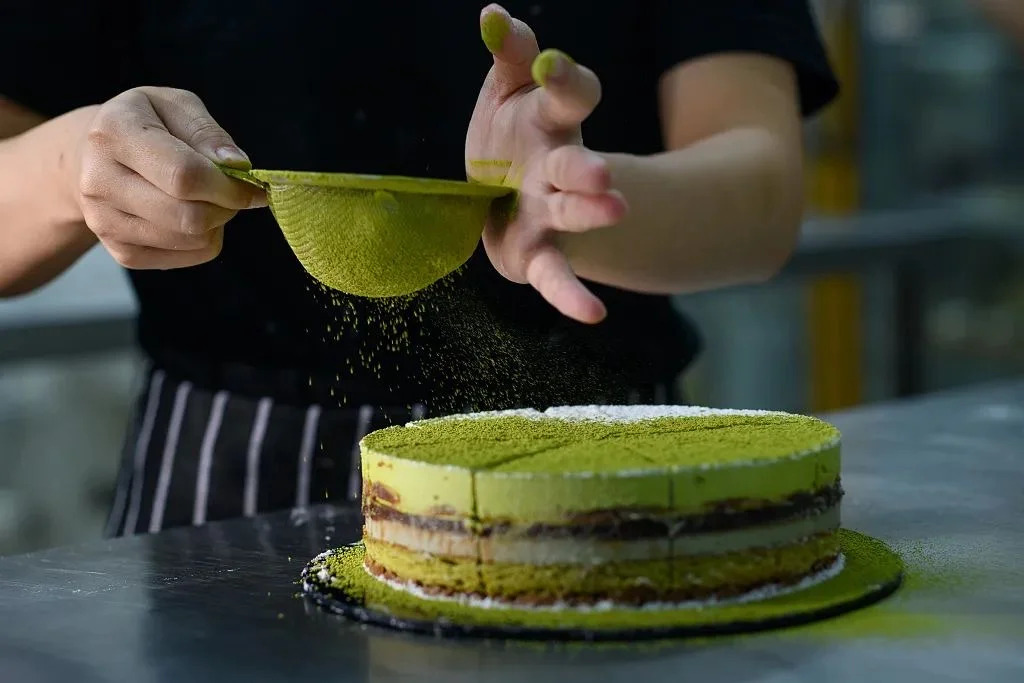
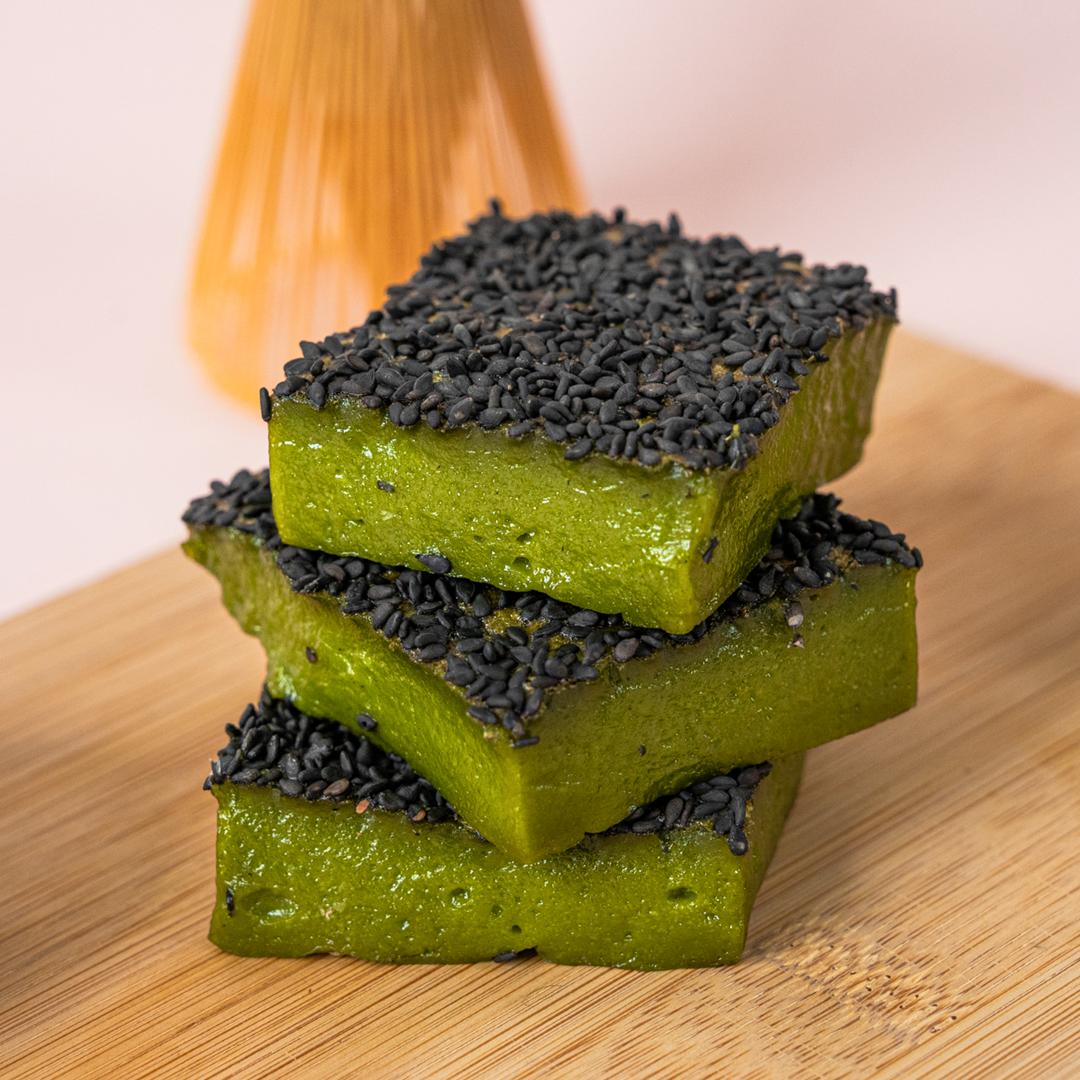
While liquid drinks are the most common way to enjoy matcha, baking with culinary grade powder allows you to carry that earthy, vegetal flavor into solid treats. This method is particularly effective for baked goods where heat doesn't completely dull the vibrant green color or the distinct umami notes.
Cookies are an ideal starting point. The fat in butter and eggs helps mellow matcha's natural astringency, creating a balanced flavor profile. When incorporating matcha into homemade matcha drinks and bakes alike, always sift the powder to prevent clumps and ensure an even distribution of color throughout the dough.
You can experiment with various recipes, from simple shortbread to more complex cakes and muffins. Start with a small amount, such as one to two teaspoons, to gauge the intensity. Remember that culinary matcha is designed to withstand higher temperatures, making it a versatile ingredient for expanding your homemade matcha drinks repertoire into the kitchen.
Why Your Homemade Matcha Drinks Turn Out Bitter
Bitterness is the most common hurdle when making homemade matcha drinks, but it is rarely a sign of bad powder. More often, it is a signal that the preparation method needs a slight adjustment. Matcha is a delicate green tea powder, and treating it like instant coffee or espresso will quickly lead to an unpleasant, astringent cup.
The biggest mistake is using water that is too hot. Boiling water (100°C / 212°F) scorches the tender tea leaves, releasing excessive tannins and destroying the sweet, umami notes that define high-quality matcha. Instead, let your boiled water cool for a few minutes until it reaches a simmer, roughly 70-80°C (160-175°F). This temperature range extracts the flavor gently without burning the leaves.
Another frequent culprit is insufficient whisking. If the powder clumps together, those dry pockets will taste intensely bitter no matter how much milk or sweetener you add. Always sift the matcha into your bowl or mug before adding water. Use a bamboo whisk (chasen) or a small electric frother to create a smooth, uniform paste before diluting with the rest of your liquid.
Tip: Never use boiling water; it burns the leaves and creates bitterness.
Finally, consider the quality of your matcha. Culinary-grade matcha is often harvested later in the season, resulting in a more robust, sometimes bitter flavor profile suitable for baking but less ideal for drinking straight. For homemade matcha lattes and drinks, aim for ceremonial-grade powder, which is stone-ground from the youngest leaves and offers a naturally sweeter, smoother taste.
Frequently Asked Questions About Homemade Matcha Drinks
Here are quick answers to common questions about making matcha at home, helping you troubleshoot your recipes and understand the basics.
What mixes well with matcha?
Matcha pairs naturally with creamy or sweet flavors that balance its earthy bitterness. Milk is the most popular choice, but you can also mix it with oat milk, almond milk, or even coconut water for a lighter option. Sweeteners like honey, vanilla syrup, or agave help round out the flavor, making it easier to enjoy daily.
What is the best thing to mix matcha with?
The best mixer depends on your goal. For a classic latte, warm oat or soy milk creates a rich, frothy texture. If you want a refreshing summer drink, cold water or sparkling water works best. Avoid mixing matcha with hot coffee, as the intense roasted flavor can clash with the delicate grassy notes of the tea.
What happens if I drink matcha daily?
Drinking homemade matcha drinks daily can provide a steady energy boost without the jitters often associated with coffee. Matcha contains L-theanine, an amino acid that promotes relaxation and focus. However, because it contains caffeine, it’s best to limit intake to one or two cups a day to avoid sleep disturbances or digestive sensitivity.
What is the 30/20/10 rule for matcha?
The 30/20/10 rule is a simple guideline for balancing flavors in a matcha latte. It suggests using 30% matcha powder, 20% sweetener (like syrup or honey), and 10% milk or cream relative to the total liquid volume. This ratio ensures the matcha flavor remains prominent while keeping the drink smooth and not too bitter.
No comments yet. Be the first to share your thoughts!