

Matcha’s Rise: Beyond the Latte
Matcha is having a moment, and it's far more than just a trendy latte flavor. What began as a niche interest among wellness enthusiasts is rapidly becoming a mainstream staple, fueled by a growing desire for preventative health strategies and a focus on anti-aging. For centuries, matcha has been integral to Japanese tea ceremonies, revered not just for its taste but also for its meditative qualities.
However, the current surge in popularity isn’t simply about tradition. It's driven by mounting scientific evidence supporting the impressive health benefits of this vibrant green powder. We’re seeing a significant uptick in research specifically focused on matcha’s bioactive compounds and their impact on longevity and well-being. I believe 2026 will be a particularly important year, as we anticipate even more robust studies solidifying matcha’s place as a functional food.
The appeal extends beyond the beverage itself. People are actively seeking natural ways to support their health, and matcha fits that bill remarkably well. It's seen as a cleaner, more sustainable alternative to some other supplements and energy boosters. This isn't a fleeting fad; it's a fundamental shift in how people approach their health, and matcha is positioned to be a major player. It feels like the early days of kombucha, but with a stronger scientific foundation.
Consumer demand is reflecting this shift. Sales of matcha products—from powders and lattes to baked goods and skincare—are consistently increasing. Major food and beverage companies are incorporating matcha into their product lines, and specialized matcha cafes are popping up in cities across the globe. This growth isn’t just about taste; it’s about a desire for a healthier, more mindful lifestyle.
EGCG: The Anti-Aging Powerhouse
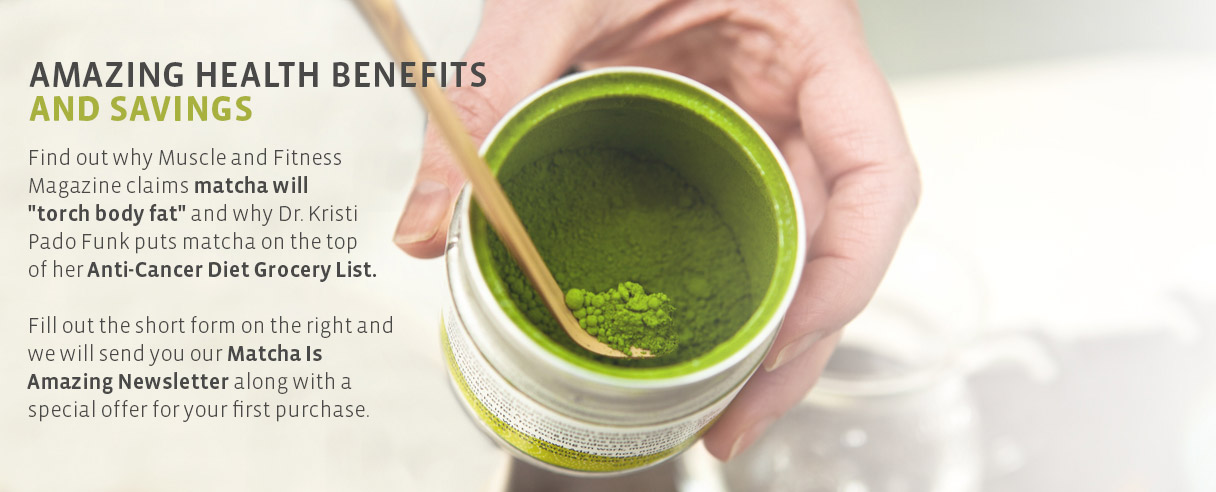
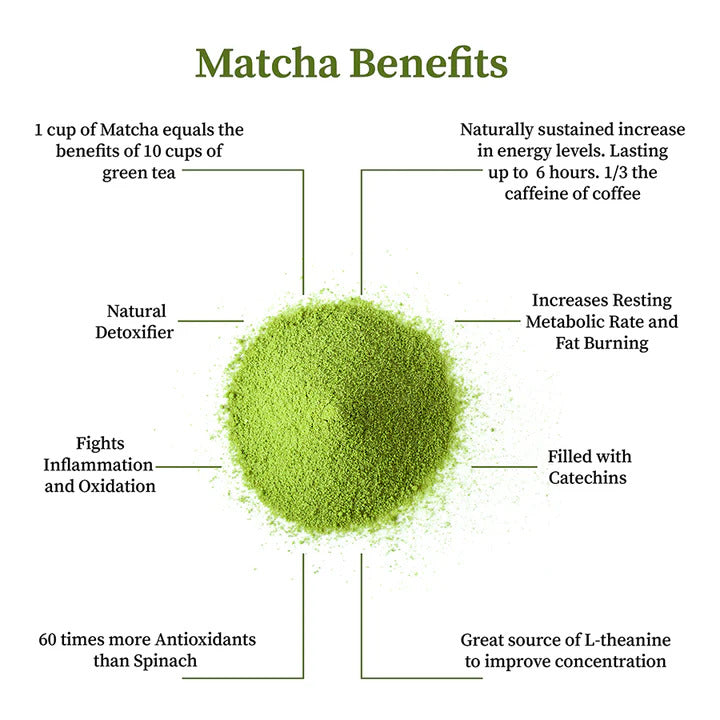
At the heart of matcha’s health benefits lies Epigallocatechin Gallate, or EGCG. This potent polyphenol is the most abundant catechin in matcha, and it's responsible for many of its remarkable properties. EGCG functions as a powerful antioxidant, combating oxidative stress caused by free radicals within the body. Oxidative stress is a major contributor to aging and various chronic diseases, so neutralizing it is crucial for maintaining health.
On a cellular level, EGCG helps protect DNA from damage, supports cellular repair mechanisms, and modulates inflammatory responses. Research from health.harvard.edu highlights EGCG’s ability to impact multiple pathways involved in aging, from mitochondrial function to cellular senescence. The NCBI’s database (pmc.ncbi.nlm.nih.gov) details the chemical composition of matcha, confirming its exceptionally high EGCG content compared to other green teas – in some cases, over 130 times more.
What sets EGCG apart is its stability and bioavailability. Unlike some other antioxidants, EGCG is relatively stable during digestion and can be effectively absorbed by the body. This allows it to exert its protective effects throughout the system. It’s not just about neutralizing free radicals; EGCG also influences gene expression, promoting cellular health and resilience.
While other teas contain catechins, the unique cultivation and processing of matcha—shade-growing and stone-grinding the entire leaf—results in a significantly higher concentration of EGCG. This process preserves the leaf’s nutrients and delivers a more potent dose of this beneficial compound. It’s not simply a matter of drinking green tea; matcha offers a concentrated source of EGCG that’s difficult to match with other sources.
Skin Health & Matcha: What the Studies Say
The benefits of matcha extend to the skin, with research suggesting a positive impact on collagen production, UV protection, and wrinkle reduction. EGCG’s antioxidant properties play a key role in protecting skin cells from damage caused by free radicals and environmental stressors. Studies have shown that EGCG can help stimulate collagen synthesis, which is vital for maintaining skin elasticity and reducing the appearance of wrinkles.
While more research is needed, preliminary findings are promising. Some studies indicate that topical application of matcha extract can provide a degree of protection against UV radiation. However, it’s crucial to remember that matcha should not be used as a substitute for sunscreen. It can be a complementary addition to a comprehensive sun protection routine. We’re seeing more skincare brands incorporating matcha into their formulations, often alongside ingredients like hyaluronic acid and Vitamin C.
The effects of consuming matcha on skin health are also being investigated. The antioxidants in matcha can help improve blood flow to the skin, promoting a healthy complexion. It’s important to be realistic about expectations, though. Matcha isn’t a magical cure-all for skin aging, but it can be a valuable addition to a holistic skincare approach.
Compared to other popular skincare ingredients, matcha offers a unique combination of benefits. Vitamin C is known for its brightening and antioxidant properties, while retinol promotes cell turnover and collagen production. Matcha complements these ingredients by providing additional antioxidant protection and supporting overall skin health.
- Collagen production: Matcha may stimulate collagen synthesis.
- UV protection: Offers some, but not complete, protection against UV radiation.
- Wrinkle reduction: Antioxidants help combat free radicals contributing to wrinkles.
Matcha, Vitamin C, and Retinol: A Comparative Look at Anti-Aging Potential
| Collagen Boost | UV Protection | Wrinkle Reduction | Skin Irritation Potential | Ease of Use |
|---|---|---|---|---|
| Matcha | Medium - Offers some protection via polyphenols, but not a replacement for sunscreen. | Medium - Antioxidants may help prevent collagen breakdown and fine lines. | Low - Generally well-tolerated, though rare sensitivities exist. | High - Simple to incorporate into drinks and foods. |
| Vitamin C | High - Essential for collagen synthesis and a key component in connective tissue. | Low - Primarily preventative; limited direct impact on existing wrinkles. | Medium - Can cause irritation in higher concentrations or for sensitive skin. | Medium - Available in serums, creams, and dietary sources. |
| Retinol | Medium - Stimulates collagen production, improving skin firmness. | Low - Does not directly protect against UV damage; sunscreen is crucial. | High - Proven to reduce the appearance of wrinkles and improve skin texture. | High - Common to experience dryness, redness, and peeling, especially when starting. |
| Matcha & Vitamin C (Combined) | Higher - Synergistic effect; Vitamin C boosts matcha’s antioxidant benefits and collagen production. | Medium - Vitamin C provides the primary UV support, while matcha offers ongoing protection. | Medium - Combined benefits for wrinkle prevention. | Medium - Potential for irritation from Vitamin C remains. |
| Retinol & Vitamin C (Combined) | Medium - Vitamin C can help mitigate some retinol-induced irritation while supporting collagen. | Low - Retinol does not provide UV protection; Vitamin C is supportive but not a substitute. | Higher - Vitamin C enhances retinol's effectiveness. | Medium - Requires careful introduction to avoid irritation. |
| Matcha & Retinol (Combined) | Medium - Retinol boosts collagen, while matcha provides antioxidant support. | Low - Matcha does not directly protect against UV damage. | Medium - Potential for enhanced wrinkle reduction. | Medium - Requires careful monitoring for irritation from retinol. |
Qualitative comparison based on the article research brief. Confirm current product details in the official docs before making implementation choices.
Brain Boost & Cognitive Function
Matcha’s cognitive benefits are a result of the synergistic interaction between L-theanine and caffeine. Caffeine provides a gentle, sustained energy boost without the jitters often associated with coffee, while L-theanine promotes relaxation and focus. This combination creates a state of "calm alertness" that can enhance cognitive performance.
Research suggests that matcha can improve attention, memory, and reaction time. Studies have shown that matcha consumption can alter brainwave activity, increasing alpha wave production, which is associated with a relaxed but focused mental state. I'm particularly interested in the potential for matcha to support long-term brain health and reduce the risk of age-related cognitive decline.
Emerging research is exploring matcha’s neuroprotective properties. EGCG may help protect brain cells from damage caused by oxidative stress and inflammation, potentially reducing the risk of neurodegenerative diseases. While more research is needed, the initial findings are encouraging. It’s a promising area of study.
The potential of matcha to help with neuroinflammation is also under investigation. Chronic inflammation in the brain is linked to various cognitive impairments, and EGCG’s anti-inflammatory properties may help mitigate this process. It's not a cure, but it could be a valuable preventative measure.
Matcha & Metabolic Health in 2026
The potential benefits of matcha for metabolic health are gaining increasing attention. Research suggests that EGCG may influence blood sugar regulation, weight management, and heart health. Studies have shown that EGCG can improve insulin sensitivity, helping cells utilize glucose more effectively. This is a significant factor in preventing type 2 diabetes and managing blood sugar levels.
Some research indicates that matcha may aid in weight management by boosting metabolism and increasing fat oxidation. However, it’s crucial to emphasize that matcha is not a weight-loss miracle. It should be incorporated into a balanced diet and active lifestyle to achieve optimal results. The role of matcha in 2026 will likely involve a more nuanced understanding of its impact on individual metabolic profiles.
Emerging trends suggest a growing interest in the use of matcha as a supportive therapy for metabolic disorders. While more research is needed, preliminary findings are promising. It’s important to approach this topic with caution, as research is ongoing and individual responses may vary. I am not sure about the long-term effects, but I believe the early signs are positive.
Matcha may also contribute to heart health by improving cholesterol levels and reducing blood pressure. EGCG’s antioxidant properties can help protect blood vessels from damage, reducing the risk of cardiovascular disease. Again, matcha should be viewed as part of a comprehensive heart-healthy lifestyle, not a standalone solution.
- May improve insulin sensitivity.
- Could boost metabolism and fat oxidation.
- Potential to lower cholesterol and blood pressure.
Making the Perfect Anti-Aging Latte
To truly experience the benefits of matcha, it’s important to prepare it properly. Start with high-quality matcha powder. Ceremonial grade matcha is best for lattes, as it has a smoother, more delicate flavor and a finer texture. Culinary grade matcha is suitable for baking and smoothies, but may have a slightly more bitter taste. I recommend sourcing your matcha from a reputable supplier.
Whisking is crucial. Use a bamboo whisk (chasen) and a bowl (chawan) to create a smooth, frothy consistency. Add 1-2 teaspoons of matcha powder to the bowl, then pour in a small amount of hot (not boiling) water—around 175°F (80°C). Whisk vigorously in a "W’ or ‘M’ motion until a frothy layer forms. This takes practice, but it"s worth the effort.
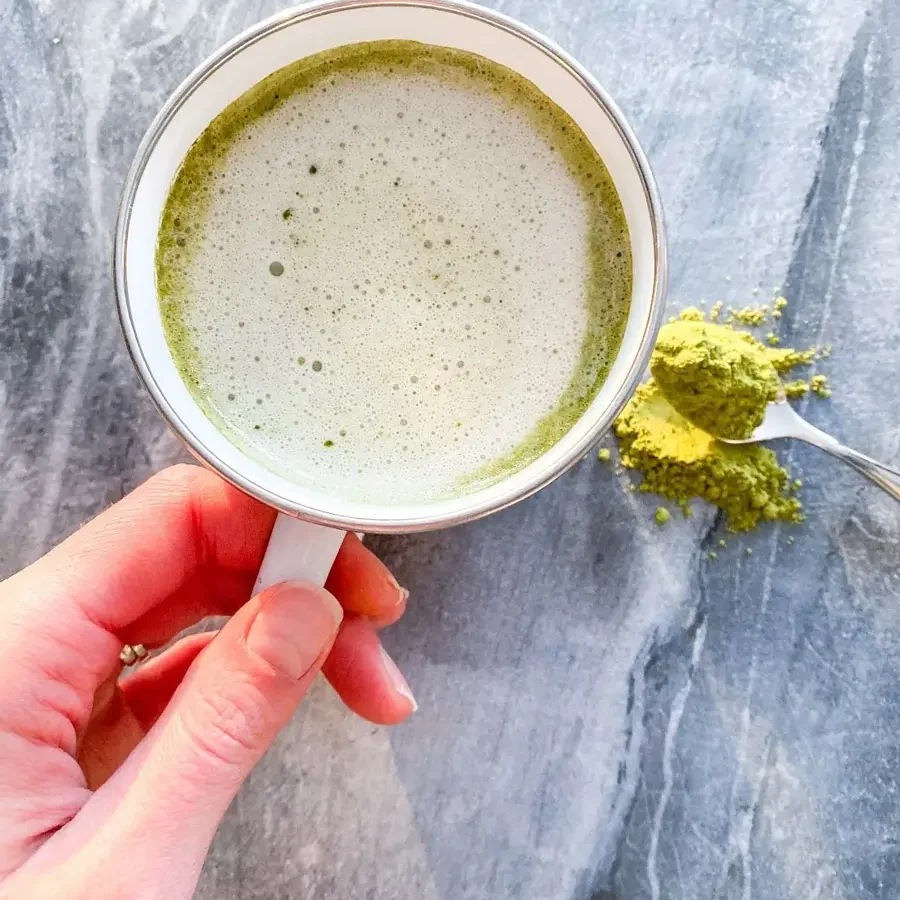
For a latte, warm your milk of choice—dairy, almond, oat, or coconut milk all work well. Pour the whisked matcha into a mug, then top with the warmed milk. Sweeten to taste with a natural sweetener like honey or maple syrup. Consider adding other beneficial ingredients like collagen peptides or adaptogens like ashwagandha for an extra boost.
Mindful preparation is key. Take your time, focus on the process, and enjoy the aroma of the matcha. This isn’t just about making a drink; it’s about creating a moment of calm and self-care. A well-made matcha latte is a ritual that nourishes both body and mind.
Beyond Lattes: Creative Matcha Recipes
Matcha’s versatility extends far beyond lattes. It's a fantastic ingredient to incorporate into a variety of recipes. For a quick and healthy breakfast, blend matcha with fruits, vegetables, and protein powder for a vibrant smoothie. It adds a subtle earthy flavor and a nutritional boost.
Matcha cookies and muffins are a delicious way to enjoy its benefits. Simply add 1-2 teaspoons of matcha powder to your favorite recipe. Matcha energy bites, made with oats, nuts, and dates, provide a sustained energy boost. You can even add matcha to savory dishes, like pesto or salad dressings, for a unique twist.
Experiment with different flavors and combinations. Matcha pairs well with citrus, chocolate, ginger, and berries. Don’t be afraid to get creative and find your own favorite matcha recipes. It’s a fun and delicious way to incorporate this superfood into your daily life.
I particularly enjoy adding a pinch of matcha to my overnight oats – it gives them a beautiful color and a subtle, earthy flavor. It’s a simple way to start the day with a healthy and delicious boost.
Potential Side Effects & Considerations
While matcha is generally safe for consumption, it’s important to be aware of potential side effects. Caffeine sensitivity is a primary concern. Matcha contains caffeine, although typically less than coffee, so individuals sensitive to caffeine may experience jitters, anxiety, or insomnia. Start with a small amount and gradually increase your intake as tolerated.
Heavy metal content is another consideration. Matcha leaves can absorb heavy metals from the soil, so it’s crucial to source your matcha from a reputable supplier that tests for contaminants. Look for brands that are certified organic and have undergone third-party testing. This is a responsible practice that ensures product quality and safety.
Matcha may interact with certain medications, so it’s important to consult with your doctor if you are taking any medications, especially blood thinners or stimulants. Appropriate dosage varies depending on individual factors, but generally, 1-2 teaspoons of matcha powder per day is considered safe.
Responsible consumption is key. Choose high-quality matcha, be mindful of your caffeine intake, and listen to your body. By taking these precautions, you can enjoy the many health benefits of matcha safely and effectively.

No comments yet. Be the first to share your thoughts!