

Matcha’s Metabolic Spring: A Fresh Start
As spring arrives, many feel a natural urge to refresh. Instead of a strict detox, I see it as supporting your body after winter. We're often less active and eat heavier foods in colder months, which can slow our metabolisms.
Instead of a drastic overhaul, we can gently nudge our metabolism back into gear with matcha. This green tea powder is a concentrated source of compounds that support a healthy metabolic rate, offering a sustainable way to feel your best.
This isn't about quick fixes or restrictive diets. It's about incorporating something beneficial that works with your body. Matcha's properties make it a good addition to a spring wellness ritual, helping you feel more energetic and balanced.
EGCG and Metabolism: What the Science Says
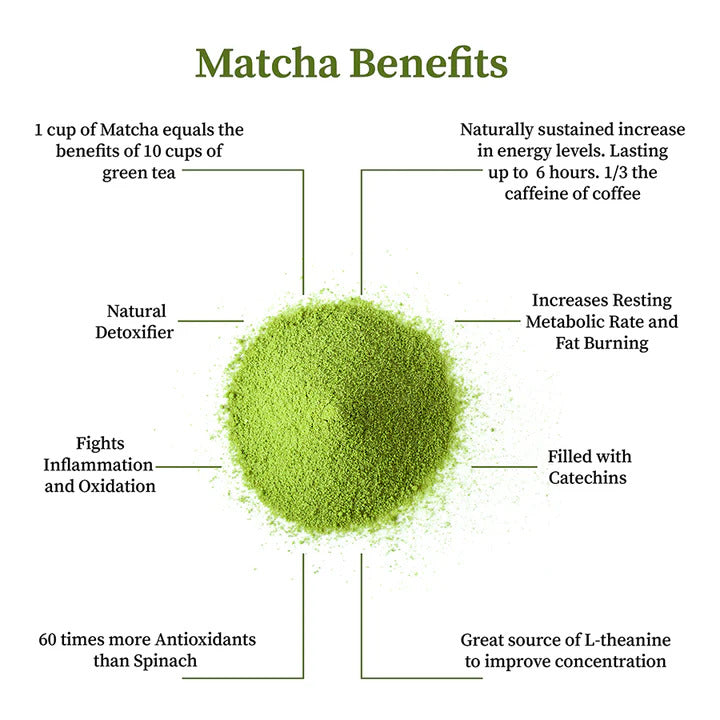
Matcha's metabolic benefits come from Epigallocatechin Gallate, or EGCG. This catechin antioxidant is more concentrated in matcha than in other green teas because you consume the whole leaf powder.
Research from health.harvard.edu shows EGCG can boost metabolic rate by increasing fat oxidation, helping your body burn fat more efficiently. This isn't a dramatic change, but a gradual increase in your body's ability to use fat for energy.
Studies suggest EGCG activates thermogenesis – heat production in the body – which requires energy. A study in PMC details how EGCG influences genes involved in fat metabolism, potentially increasing fat burning at rest.
EGCG's effects vary by person, depending on genetics, diet, and activity level. Research is ongoing, and while promising, it's not a guaranteed solution for weight loss or a faster metabolism. Evidence suggests a positive correlation between EGCG consumption and metabolic function.
The same PMC study notes matcha contains phenolic acids and fatty acids, contributing to its health benefits. These compounds work with EGCG to support metabolism; it's not just one ingredient.
Matcha vs. Coffee: A Metabolic Showdown
Coffee is a common morning beverage for a metabolic kickstart. How does matcha compare? Both have caffeine, but their effects differ. An 8oz cup of coffee has about 95mg of caffeine, while matcha has 70-80mg.
The difference is in caffeine release. Coffee gives a quick, jittery energy surge, followed by a crash. Matcha contains L-theanine, an amino acid that promotes relaxation without drowsiness. L-theanine slows caffeine absorption, providing a more sustained, focused energy boost.
This sustained energy supports metabolism. The coffee crash can cause energy dips and cravings, sabotaging efforts. Matcha's smoother energy release helps maintain stable blood sugar, essential for a healthy metabolism. Excessive caffeine can overstimulate cortisol production, leading to stress and hindering metabolic function. Matcha's L-theanine can help mitigate this.
Switching from coffee to matcha has helped me avoid afternoon slumps and maintain consistent energy. It's a subtle shift that has made a noticeable difference in my energy and focus.
Matcha vs. Coffee: A Comparative Overview
| Caffeine Content | L-Theanine | Impact on Cortisol | Sustained Energy | Metabolic Effects |
|---|---|---|---|---|
| Matcha (Ceremonial Grade) | Moderate | Low | Minimal | Potential boost, supports thermogenesis |
| Matcha (Culinary Grade) | Moderate | Low | Minimal | Potential boost, supports thermogenesis |
| Coffee (Brewed) | High | Low | Significant | Temporary increase, may plateau |
| Coffee (Espresso) | High | Very Low | Significant | Rapid increase, potential for crash |
Qualitative comparison based on the article research brief. Confirm current product details in the official docs before making implementation choices.
Beyond the Latte: Matcha’s Versatile Forms
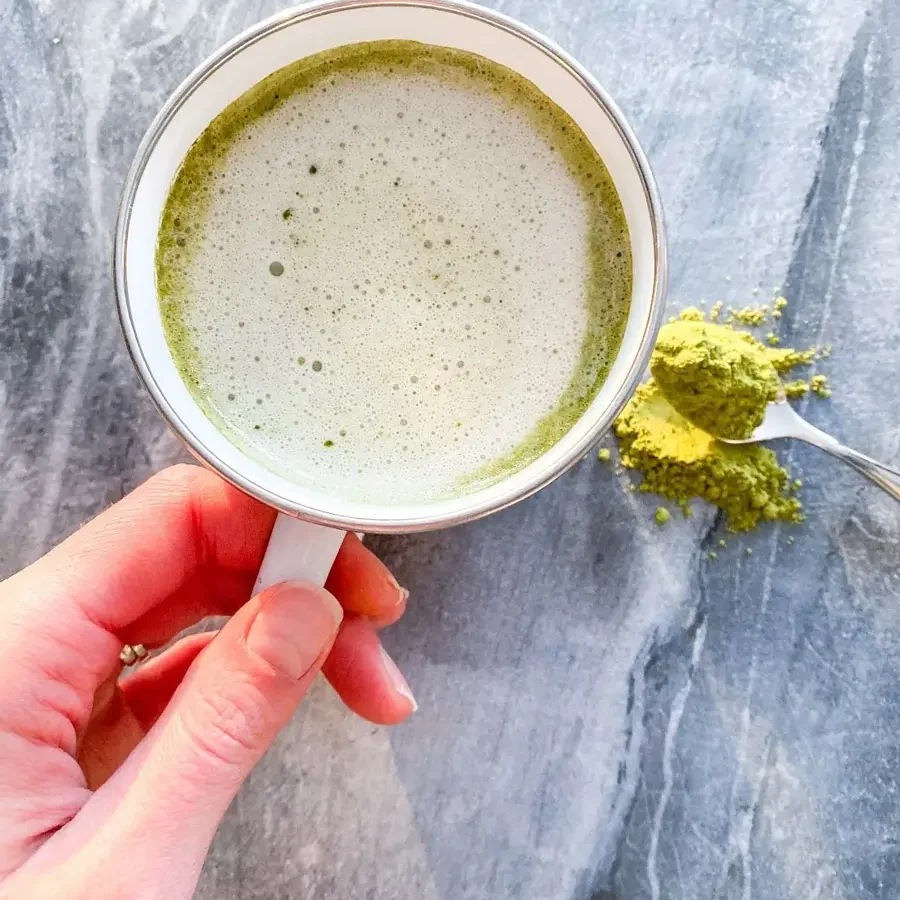
A matcha latte is a delicious way to enjoy the benefits, but matcha is versatile and can be used in many recipes. Add a teaspoon to your morning smoothie for a boost, or blend it into overnight oats for an energizing breakfast.
For baking, culinary grade matcha is preferred for its less delicate flavor. Matcha cookies, muffins, or pancakes are good options. Heat can degrade EGCG, so add matcha towards the end of baking. Ceremonial grade matcha, with its refined flavor, is best for traditional preparations like usucha or koicha.
Try this matcha smoothie: blend 1 cup spinach, ½ frozen banana, 1 tsp matcha powder, ½ cup almond milk, and lemon juice. It's quick, easy, and nutrient-packed. You can also add a teaspoon to oatmeal for a healthy, flavorful start.
Matcha's adaptability allows you to experiment with recipes and integrate it into your diet. It can be a fun, flavorful way to support metabolic health.
Optimizing Your Matcha Ritual for Metabolism
To maximize matcha's metabolic benefits, timing matters. Consuming matcha in the morning, within an hour of waking, provides sustained energy throughout the day. This can kickstart your metabolism and influence your activity levels.
Everyone's body is different. If sensitive to caffeine, start with ½ teaspoon and increase gradually. Avoid consuming matcha too close to bedtime, as it may interfere with sleep. Finish your last matcha beverage at least 6 hours before sleep.
Pairing matcha with regular exercise is effective. Matcha's sustained energy can enhance workouts, and EGCG can support fat oxidation during and after exercise. Matcha is a support tool, not a replacement for a healthy lifestyle. Listen to your body and adjust intake.
If you experience digestive discomfort, reduce intake or consume matcha with a snack. Finding the optimal matcha ritual involves experimentation.
Matcha and Gut Health: A Surprising Connection
undefined research is beginning to reveal a fascinating link between matcha consumption and gut health. The gut microbiome – the trillions of bacteria living in your digestive system – plays a crucial role in metabolism, immunity, and overall well-being.
While the science is still evolving, matcha contains compounds that may act as prebiotics, which are essentially food for beneficial gut bacteria. A healthy gut microbiome can improve nutrient absorption, reduce inflammation, and support a more efficient metabolism. Studies are underway to fully understand this connection.
It’s theorized that the polyphenols in matcha, including EGCG, can selectively promote the growth of beneficial bacteria while inhibiting the growth of harmful ones. This can contribute to a more balanced and diverse gut microbiome, which is associated with improved metabolic health.
I’m not sure about the definitive strength of this link just yet, but the preliminary findings are encouraging. Supporting gut health is a holistic approach to wellness, and matcha may be a valuable addition to a gut-friendly diet.
Sourcing and Quality: What to Look For
Not all matcha is created equal. The quality of matcha can vary significantly depending on factors like origin, processing methods, and growing conditions. The vast majority of high-quality matcha comes from Japan, particularly from regions like Uji and Nishio.
When choosing matcha, look for a vibrant green color – a sign of freshness and high chlorophyll content. Avoid matcha that is yellowish or brownish, as this indicates it may be old or of poor quality. The texture should be fine and silky, not gritty.
Price is often an indicator of quality, but it’s not the only factor. Organic certification ensures that the matcha is free from pesticides and other harmful chemicals. Look for matcha that has been tested for heavy metals and contaminants.
Consider the environmental impact of matcha production. Supporting brands that prioritize sustainable farming practices is a responsible choice. It’s also worth researching the company’s sourcing practices to ensure ethical and transparent production.
Matcha & Movement: Synergistic Effects
Combining matcha consumption with regular physical activity can amplify its metabolic benefits. Matcha provides sustained energy that can enhance your workouts, allowing you to push yourself further and achieve better results.
The EGCG in matcha may also aid in muscle recovery by reducing inflammation and oxidative stress. This can lead to faster recovery times and improved performance. It’s not a magical performance enhancer, but it can be a valuable support tool.
However, it’s essential to consult with a healthcare professional before starting any new diet or exercise program. Matcha is a supplement to a healthy lifestyle, not a substitute for it. A balanced diet, regular exercise, and adequate sleep are all crucial for optimal metabolic health.
Remember, consistency is key. Incorporating matcha into your daily routine, alongside regular physical activity, can create a synergistic effect that supports your metabolic goals and promotes overall well-being.
How do you typically incorporate matcha into your daily routine?
We are curious how our matcha community enjoys their green goodness. Whether you are sipping a latte each morning or blending it into a post-workout smoothie, your habits help us create better content for you. Vote below!



No comments yet. Be the first to share your thoughts!