
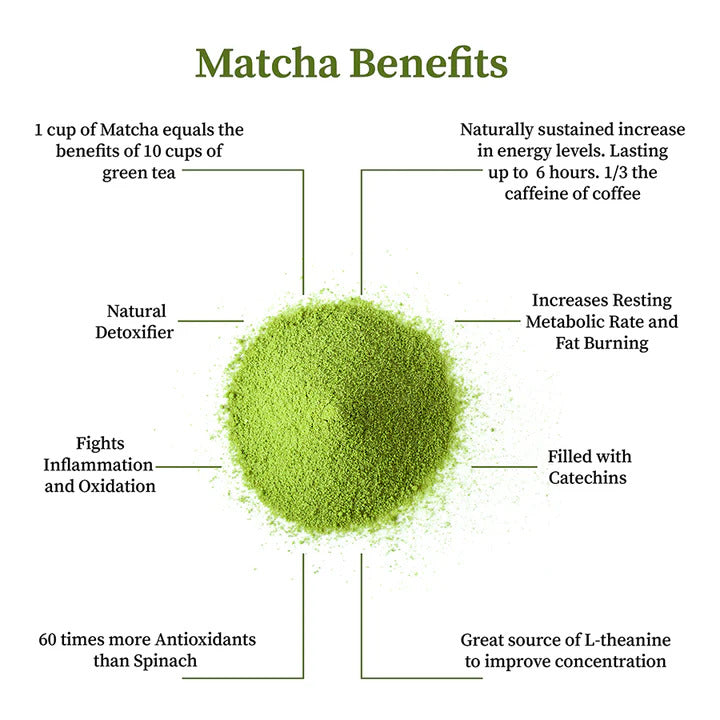

Matcha’s Rising Profile in 2026
Matcha's popularity has surged beyond traditional lattes. Once confined to Japanese tea ceremonies and niche health food circles, this ancient practice has transformed into a mainstream ingredient.
Social media and scientific research have driven matcha's popularity. It's now found in baked goods, smoothies, and skincare, not just beverages. The increase in studies exploring its health benefits is notable.
Research focus has shifted from antioxidants to cognitive function, brain health, and longevity. This trend gained momentum in 2024 and has accelerated through 2026, with more funding and studies published.
Scientific attention reflects consumer interest in preventative health. People seek ingredients with proven benefits, and matcha's nutrients and compounds meet this demand. This is a significant evolution for the tea.
Content is being updated. Check back soon.
L-Theanine and Cognitive Function
L-theanine, an amino acid unique to matcha, is key to its cognitive benefits. Unlike caffeine, which causes jitters, L-theanine promotes relaxed alertness by modulating brain activity and increasing alpha waves, linked to wakeful relaxation and creativity.
Caffeine boosts dopamine for energy, while L-theanine influences mood-regulating neurotransmitters like serotonin and GABA. This combination offers sustained focus without the side effects of coffee or energy drinks, providing a more balanced energy boost.
Studies from 2025 and 2026 quantify these effects. A Nutrients (2026) study found daily matcha consumption improved attention and working memory over eight weeks. Kyoto University researchers (2024) showed L-theanine mitigated cognitive decline from sleep deprivation.
The synergistic effect between L-theanine and caffeine in matcha is intriguing. L-theanine tempers caffeine, creating a smoother, sustained energy release that enhances cognitive performance, reaction time, accuracy, and mental clarity. The components work together.
More long-term studies are needed to fully understand L-theanine's effects on cognitive function. However, initial findings are promising, suggesting matcha supports brain health.
Content is being updated. Check back soon.
Matcha and Brain-Derived Neurotrophic Factor (BDNF)
Brain-Derived Neurotrophic Factor (BDNF) supports neuroplasticity, the brain's ability to form new connections. BDNF aids neuron growth, survival, and protection, which is essential for learning, memory, and cognitive function. Low BDNF levels are linked to neurodegenerative diseases like Alzheimer's and Parkinson's.
Research from 2025 and 2026 suggests matcha consumption may increase BDNF levels. A Journal of Nutritional Biochemistry (2026) study found regular matcha consumers had significantly higher BDNF than a control group. This is a preliminary but exciting finding.
Matcha's antioxidants, especially catechins, may increase BDNF by reducing oxidative stress and inflammation, which can impair BDNF production. Its anti-inflammatory properties might also support neuron growth and survival.
Research on matcha and BDNF is early. More studies are needed to confirm findings, determine dosage, and understand long-term effects. It's not yet possible to definitively say matcha prevents or treats neurodegenerative diseases, but the potential warrants investigation.
Antioxidant Power: Beyond the Hype
Matcha is rich in catechins, plant compounds that neutralize free radicals and protect against oxidative stress. Epigallocatechin gallate (EGCG) is a notable catechin.
Matcha has a higher antioxidant concentration than other green teas because you consume the whole leaf, ground into powder, not just steeped leaves. This provides a more concentrated dose of beneficial compounds.
Research focuses on EGCG's potential to prevent age-related cognitive decline and neurodegenerative diseases. Studies suggest EGCG protects brain cells from oxidative stress and inflammation, and may promote neuron growth. Bioavailability, or how well the body absorbs EGCG, is a challenge.
EGCG absorption is inefficient on its own. Consuming matcha with vitamin C or healthy fat can improve absorption. Matcha quality also influences EGCG content and bioavailability. Maximizing antioxidant benefits requires attention to preparation and sourcing.
Matcha, Inflammation, and Longevity
Chronic inflammation drives age-related diseases like heart disease, cancer, and Alzheimer's. This silent process damages cells and tissues, leading to health decline. Reducing inflammation is key for longevity and healthy aging.
Matcha's anti-inflammatory properties, from catechins, may mitigate chronic inflammation by suppressing pro-inflammatory molecules and reducing the body's inflammatory burden.
Studies from 2024-2026 investigated matcha's impact on
It’s important to emphasize that matcha isn’t a magic bullet for longevity. It’s just one piece of the puzzle. A healthy lifestyle, including a balanced diet, regular exercise, and adequate sleep, is essential for maximizing lifespan and quality of life. However, incorporating matcha into a healthy routine could potentially contribute to healthy aging by helping to reduce chronic inflammation.
Content is being updated. Check back soon.
Matcha and Cardiovascular Health
The potential benefits of matcha extend to cardiovascular health. Research suggests that regular matcha consumption may contribute to a reduced risk of heart disease through several mechanisms. These include lowering LDL (“bad”) cholesterol, improving blood pressure, and enhancing blood vessel function.
Some studies have shown a correlation between matcha consumption and improved lipid profiles. A smaller study from 2024, published in Nutrition Research, indicated that participants who consumed matcha daily for 12 weeks experienced a modest reduction in LDL cholesterol levels. While this study was limited in scope, it aligns with other research suggesting a positive impact on heart health.
The antioxidant effects of matcha also play a role. By protecting against oxidative stress, catechins can help prevent the oxidation of LDL cholesterol – a process that contributes to the formation of plaque in the arteries. Improved blood vessel function, potentially due to increased nitric oxide production, further supports cardiovascular health.
As with any dietary supplement, it’s important to consider potential interactions with medications. If you’re taking medication for heart disease or blood pressure, it’s best to consult with your doctor before adding matcha to your diet. While matcha is generally considered safe, individual responses can vary.
Quality Matters: Sourcing and Preparation
Not all matcha is created equal. The quality of matcha can vary dramatically depending on factors such as growing conditions, harvesting methods, and the grinding process. Choosing high-quality matcha is essential to maximize its health benefits and flavor.
Matcha plants grown in the shade are generally considered to be of higher quality. Shading increases the chlorophyll content of the leaves, resulting in a more vibrant green color and a sweeter, more umami flavor. The harvesting process also matters – the youngest, most tender leaves are typically used for ceremonial grade matcha.
There are two main grades of matcha: ceremonial grade and culinary grade. Ceremonial grade matcha is made from the highest-quality leaves and is intended for traditional tea ceremonies. It has a smooth, delicate flavor and is best enjoyed on its own. Culinary grade matcha is made from lower-quality leaves and is often used in lattes, smoothies, and baking.
Proper preparation is also crucial. Use filtered water heated to around 175°F (80°C). Sift the matcha powder to remove any clumps, and whisk it vigorously with a bamboo whisk (chasen) in a “W” or “M” motion until a frothy layer forms. Avoid using boiling water, as this can make the matcha bitter. Be mindful of potential contaminants, sourcing from reputable suppliers who test their matcha for heavy metals and pesticides.
Emerging Research: Matcha and Gut Health
The gut microbiome – the community of trillions of bacteria that live in our digestive system – plays a critical role in overall health. Emerging research suggests that matcha may have a positive impact on the gut microbiome, potentially contributing to improved digestion, immune function, and even mental health.
Matcha’s polyphenols, particularly catechins, are thought to influence the composition and function of gut bacteria. These compounds can act as prebiotics, providing nourishment for beneficial bacteria and promoting their growth. Some studies suggest that matcha can increase the abundance of Bifidobacteria and Lactobacilli, two types of bacteria associated with gut health.
A small study conducted in 2026 at the University of California, Davis, found that participants who consumed matcha daily for four weeks experienced an increase in gut microbial diversity. However, this is a relatively new area of research, and more studies are needed to fully understand the complex interplay between matcha and the gut microbiome. It’s an exciting development, but we’re still in the early stages of unraveling its potential benefits.



No comments yet. Be the first to share your thoughts!