
Matcha's TikTok Takeover: Why Now?
Matcha has been steadily gaining popularity for years, but the surge in interest over the last six months feels different. TikTok is undeniably the driving force. It's not just that people are making matcha lattes, it's how they're showcasing them – visually stunning videos, quick tutorials, and a constant stream of new flavor combinations are captivating a massive audience. I've personally noticed my 'For You' page flooded with variations, and it’s been fascinating to watch.
The timing is interesting too. We’re in a moment where wellness is a significant cultural focus. People are actively seeking alternatives to coffee, exploring adaptogens, and prioritizing mindful consumption. Matcha fits perfectly into this lifestyle. Beyond the health aspect, matcha is simply aesthetically pleasing. The vibrant green color photographs beautifully, lending itself perfectly to the visual nature of TikTok. There’s a certain 'vibe' associated with matcha now, one of calm, focus, and self-care.
Historically, matcha was integral to Japanese tea ceremonies, a practice rooted in Zen Buddhism. Its use for centuries wasn’t about a quick caffeine fix, but about mindful preparation and appreciation. While that tradition remains vital, the current TikTok trend is democratizing matcha, making it accessible and appealing to a much broader audience. The algorithm, of course, plays a massive role. Once a few videos gained traction, TikTok's recommendation system amplified the trend, creating a snowball effect. It’s a potent combination of cultural shifts, visual appeal, and algorithmic power.
I don’t think this is a fleeting trend like some viral food fads. Matcha offers something beyond just taste – it offers a ritual, a moment of calm, and a perceived health boost. It’s a drink that feels intentional, and in a world of constant stimulation, that resonates with a lot of people. The access to high-quality matcha is also increasing, with more brands offering online ordering and direct-to-consumer options, making it easier than ever to experiment at home.
Decoding the Viral Recipes: What Makes Them Tick?
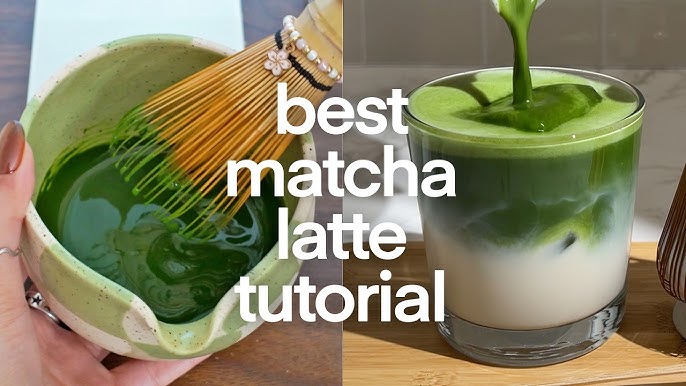
Looking at the most popular TikTok matcha latte recipes, certain elements appear consistently. It’s rarely just matcha and hot water; it's about building layers of flavor and texture. The base usually involves a sweetener – honey, maple syrup, or agave are all common choices – to balance the inherent bitterness of the matcha. The choice of milk is also key. Oat milk is hugely popular, lending a creamy texture and subtle sweetness. Almond milk is another frequent choice, offering a lighter profile. Coconut milk adds a tropical twist.
What I’ve noticed is a move away from simply masking the matcha flavor and towards complementing it. Recipes featuring lavender, rose, or vanilla extract aren’t trying to hide the green tea taste; they’re enhancing it with floral or aromatic notes. Brown sugar matcha lattes, inspired by Korean dalgona coffee, are another standout, providing a rich, caramelized sweetness. The texture is also crucial. Achieving a frothy, smooth latte is a major focus, often demonstrated with satisfyingly slow-motion pours.
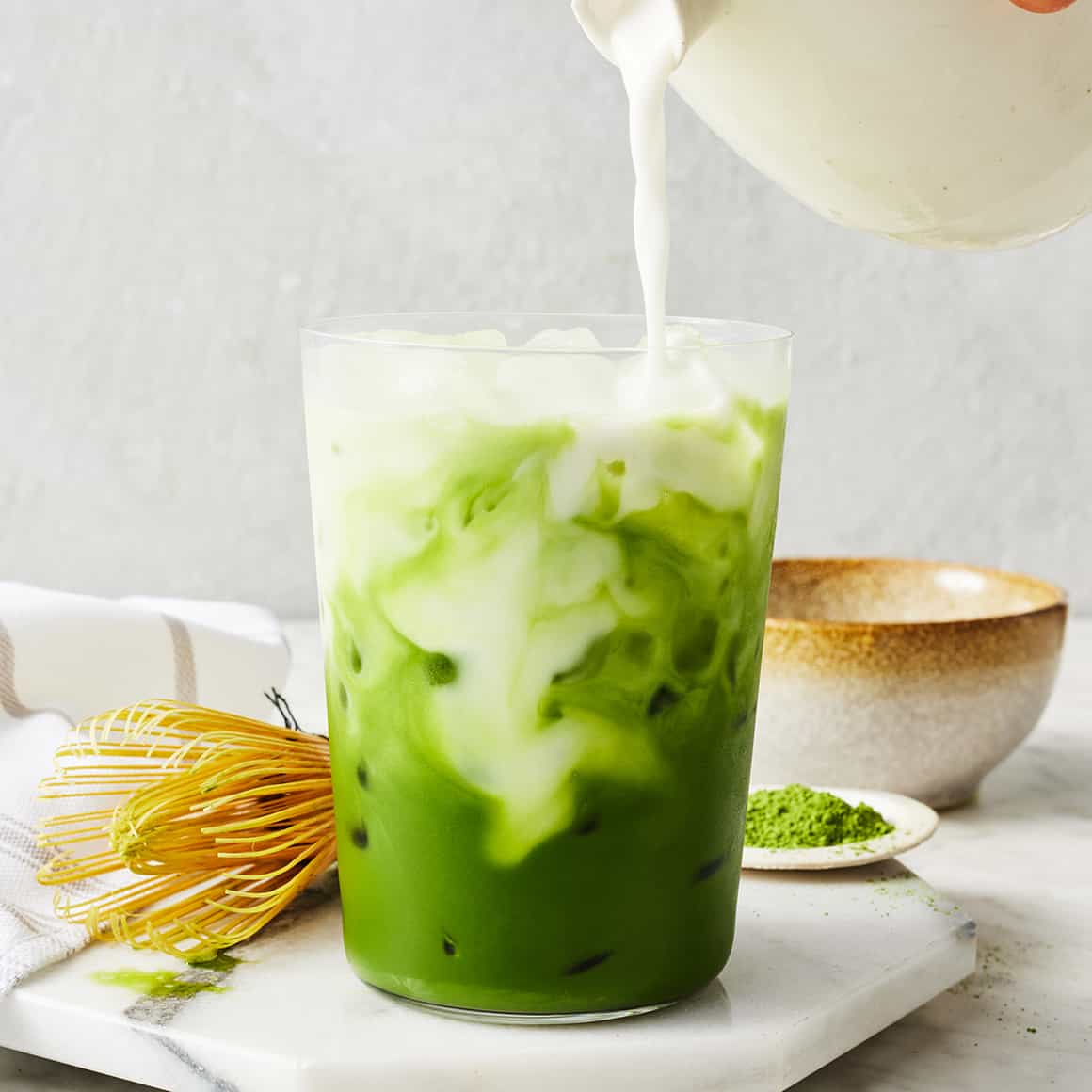
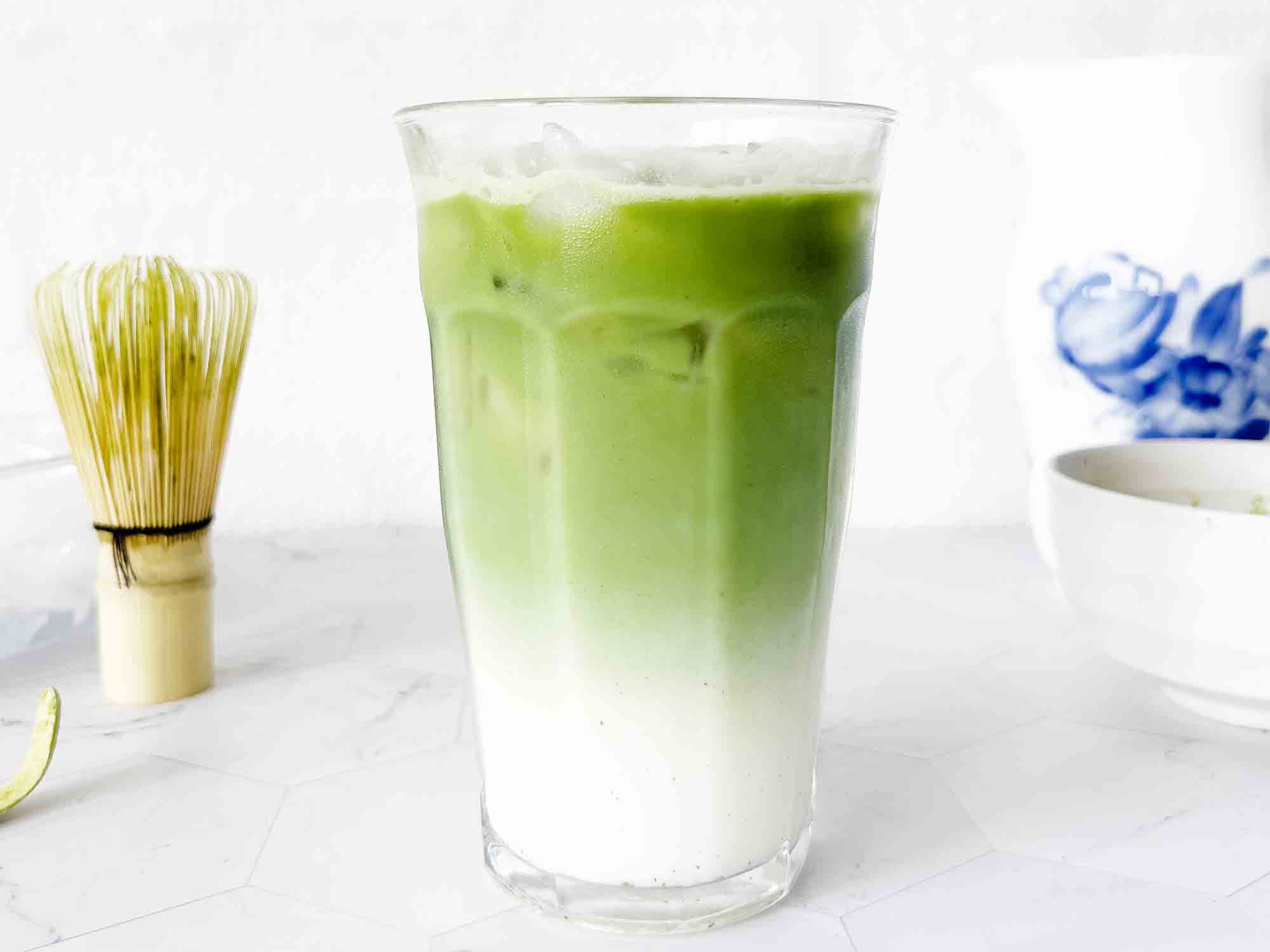
The presentation is just as important as the taste. These aren’t just drinks; they’re visual experiences. Layering the matcha with the milk to create distinct bands of color is a common technique. Garnishes – a dusting of matcha powder, a sprinkle of cinnamon, or even edible flowers – add a finishing touch. The videos themselves are often carefully edited, with aesthetically pleasing backgrounds and music, contributing to the overall appeal. It's a complete sensory experience.
The psychology of these recipes is interesting too. The act of making a matcha latte can be meditative, a small ritual in a busy day. The vibrant color of the matcha is visually uplifting. The sweetness offers a comforting indulgence. It’s a drink that appeals to both our desire for health and our need for a little bit of joy. The recipes tap into that need, offering a moment of self-care in a cup.
- Common Milk Alternatives: Oat, Almond, Coconut
- Popular Sweeteners: Honey, Maple Syrup, Agave
- Flavor Enhancers: Lavender, Rose, Vanilla, Brown Sugar
TikTok Matcha Latte Trends
- Blue Matcha Latte - This visually striking latte uses blue spirulina powder alongside matcha for a vibrant color and a subtle ocean-like flavor. Often paired with coconut milk for a creamy texture. See a similar recipe here
- Strawberry Matcha Latte - A sweet and fruity twist! This latte blends matcha with strawberry puree or syrup, creating a pink-hued drink with a refreshing taste. Many recipes incorporate a touch of vanilla. Recipe inspiration
- Spicy Chocolate Matcha - For those who like a kick! This latte combines matcha with cocoa powder and a pinch of cayenne pepper or chili powder. The result is a complex flavor profile – earthy, sweet, and subtly spicy. Example Recipe
- Lavender Matcha Latte - Floral and calming, this latte infuses matcha with lavender syrup or dried lavender buds. It's a popular choice for a relaxing beverage. Lavender Matcha Recipe
- Caramel White Chocolate Matcha - A decadent treat! This latte combines matcha with white chocolate sauce and caramel syrup, creating a sweet and luxurious drink. Recipe Inspiration
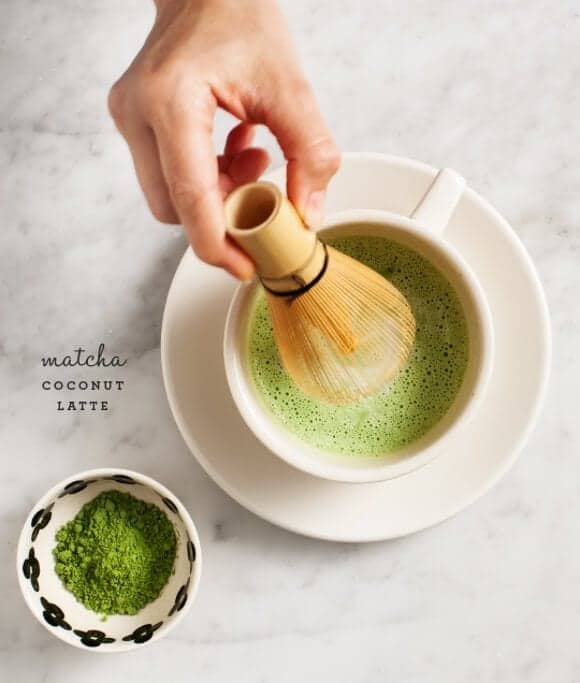
- Coconut Cream Matcha - A dairy-free delight! This latte uses full-fat coconut cream instead of milk, resulting in an incredibly creamy and rich texture. Often paired with a touch of maple syrup for sweetness. Coconut Matcha Latte
- Black Sesame Matcha Latte - This latte incorporates black sesame paste or powder, lending a nutty and slightly savory flavor to the traditional matcha taste. It's often visually striking with a greyish hue. Black Sesame Matcha Latte
The 'Blue Matcha' Buzz: Is It Really Matcha?
The rise of 'blue matcha' lattes is a curious phenomenon. While visually striking, it’s important to be clear: blue matcha isn’t actually matcha at all. It’s made from butterfly pea flower powder, a vibrant blue ingredient often used in Southeast Asian cuisine. The color comes from anthocyanins, powerful antioxidants also found in blueberries and red cabbage. It's a beautiful color, and it's definitely driving engagement on TikTok.
The taste profile is significantly different. Matcha has an earthy, slightly bitter flavor, while butterfly pea flower powder is relatively neutral, sometimes described as slightly floral. It doesn’t offer the same caffeine boost or L-theanine benefits as traditional matcha. The health benefits are also distinct – butterfly pea flower is rich in antioxidants, but it doesn’t contain the same unique compounds as matcha.
I think the appeal of blue matcha lies in its novelty. It’s visually stunning and offers a different aesthetic. The marketing around it often leverages the "matcha’ name to capitalize on the existing trend. It’s not necessarily deceptive, but it’s important to understand what you"re actually consuming. It's a fun alternative, but it shouldn't be considered a substitute for genuine matcha.
Whether 'blue matcha' is a legitimate part of the matcha trend or a separate phenomenon is debatable. It benefits from the association, but it offers a different experience. It’s a testament to the power of visual marketing and the willingness of consumers to try new and aesthetically pleasing foods and beverages.

Beyond the Basics: Leveling Up Your Matcha Game
Once you're comfortable with the basic matcha latte, it’s time to explore the nuances. The quality of your matcha powder is crucial. Ceremonial grade matcha, made from the youngest tea leaves, offers the smoothest flavor and vibrant color. It’s more expensive, but the difference in taste is noticeable. Culinary grade matcha is more affordable and suitable for baking or blending into smoothies, but it can be more bitter.
Frothing technique significantly impacts the texture of your latte. A traditional bamboo whisk (chasen) is ideal for creating a frothy head, but it requires practice. Electric milk frothers are a convenient alternative, and even a simple immersion blender can work in a pinch. The key is to incorporate air into the matcha and milk mixture, creating a light and airy consistency. I've found that starting with a small amount of hot water to create a paste before adding the milk helps prevent clumping.
Don’t be afraid to experiment with flavor combinations. A pinch of cinnamon or cardamom adds warmth and spice. A dash of vanilla extract enhances the sweetness. A few drops of almond extract offer a subtle nutty flavor. You can also try incorporating spices directly into the matcha powder before whisking. Think chai-spiced matcha or ginger-turmeric matcha.
Consider the water temperature. Boiling water will scald the matcha and create a bitter taste. Aim for around 175°F (80°C) – just below boiling. Using filtered water can also improve the flavor. Finally, invest in a good quality matcha bowl (chawan) and spoon (chashaku) if you’re serious about the experience. It’s not essential, but it adds to the ritualistic aspect of matcha preparation.
DIY Matcha Latte Recipe Roundup: From Simple to Showstopping
Let's get practical. Here are a few recipes to get you started, ranging in complexity. First, the Classic Matcha Latte: Whisk 1-2 teaspoons of matcha powder with 2 ounces of hot water (175°F) until smooth. Add 8-10 ounces of steamed milk (oat milk recommended) and 1 teaspoon of honey or maple syrup. Stir well and enjoy. This is a great starting point for understanding the basic flavor profile.
Next, a Lavender Brown Sugar Matcha Latte: Combine 2 teaspoons of matcha powder with 2 ounces of hot water, as above. Add 1 tablespoon of brown sugar and ¼ teaspoon of dried lavender buds to the matcha paste. Whisk well. Steam 8-10 ounces of milk and pour over the matcha mixture. Garnish with a sprinkle of lavender buds. The floral notes of lavender complement the earthy matcha beautifully.
Finally, for something a little different, try a Spiced Orange Matcha Latte: Whisk 1.5 teaspoons of matcha powder with 2 ounces of hot water. Add ½ teaspoon of ground cinnamon, ¼ teaspoon of ground ginger, and the zest of one orange. Whisk well. Steam 8-10 ounces of milk and pour over the matcha mixture. Sweeten with maple syrup to taste. This latte offers a warming and invigorating flavor combination.
Troubleshooting: If your matcha is clumping, try sifting the powder before whisking. If it’s too bitter, reduce the amount of matcha or add more sweetener. If it’s not frothy enough, experiment with different frothing techniques or use a higher-powered frother. Don’t be afraid to adjust the recipes to your liking – that’s the beauty of making matcha at home.
Matcha & Wellness: What Does the Science Say?
Beyond the aesthetic appeal, matcha offers some legitimate health benefits. It’s packed with antioxidants, particularly catechins, which are linked to a reduced risk of chronic diseases. A 2017 study published in the Journal of Functional Foods found that matcha has a higher antioxidant capacity than many other teas (Yang et al., 2017). However, it’s important to note that antioxidant absorption can vary depending on individual factors.
Matcha is also a good source of L-theanine, an amino acid known for its calming and focusing effects. L-theanine works synergistically with caffeine to provide a sustained energy boost without the jitters often associated with coffee. Research suggests that L-theanine can also reduce stress and anxiety (Gout et al., 2018). This combination is a major draw for people seeking a healthier and more balanced energy source.
However, it’s crucial to be mindful of caffeine content. Matcha contains caffeine, although typically less than coffee. Individuals sensitive to caffeine should consume it in moderation. Furthermore, the quality of matcha matters. Low-quality matcha may contain higher levels of heavy metals or pesticides. Sourcing from reputable suppliers is essential.
While matcha offers potential health benefits, it’s not a miracle cure. It should be part of a balanced diet and healthy lifestyle. It’s also important to manage expectations and avoid exaggerated claims. Enjoy matcha as a delicious and potentially beneficial beverage, but don’t rely on it as a sole solution for improving your health.
Matcha, Coffee, and Black Tea: A Comparative Overview
| Beverage | Caffeine Content | L-Theanine Levels | Antioxidant Levels | Potential Health Considerations |
|---|---|---|---|---|
| Matcha | Medium | High | High | Generally well-tolerated; potential for sensitivity in some individuals. |
| Coffee | High | Low | Medium | Can cause jitters, anxiety, and sleep disruption in sensitive individuals; potential for dependency. |
| Black Tea | Medium | Medium | Medium | May contribute to iron absorption inhibition; contains tannins. |
| Matcha (Ceremonial Grade) | Medium | High | Very High | Highest concentration of antioxidants and L-theanine compared to other matcha grades. |
| Matcha (Culinary Grade) | Medium | Medium | High | More affordable option, suitable for baking and blending, with slightly lower antioxidant levels. |
| Coffee (Espresso) | Very High | Low | Medium | Strongest caffeine kick, may lead to increased heart rate and blood pressure. |
| Black Tea (English Breakfast) | Medium | Medium | Medium | Commonly consumed, provides a moderate caffeine boost and antioxidant benefits. |
Illustrative comparison based on the article research brief. Verify current pricing, limits, and product details in the official docs before relying on it.
The Future of Matcha: What's Next?
I anticipate we’ll see even more innovative flavor combinations in the coming years. Matcha and yuzu, matcha and passionfruit, matcha and pistachio – the possibilities are endless. Beyond lattes, matcha is poised to expand into other food and beverage categories. Matcha-infused snacks, like energy bars and cookies, are already gaining traction. Matcha desserts, like ice cream and mochi, are also popular.
I’m particularly excited about the potential for matcha in savory dishes. Matcha-marinated fish or chicken, matcha-infused sauces, and even matcha-seasoned vegetables could become more common. The earthy flavor of matcha can add a unique depth to savory cuisine. We might also see more experimentation with different grades of matcha in culinary applications.
Sustainability is another important consideration. Matcha production can have environmental impacts, so supporting ethical sourcing practices is crucial. Look for brands that prioritize organic farming and fair labor standards. Consumers are becoming increasingly aware of these issues and are demanding more transparency from the brands they support.
Overall, I’m optimistic about the future of matcha. It’s a versatile, delicious, and potentially beneficial beverage that has captured the imagination of a global audience. As long as we continue to prioritize quality, sustainability, and innovation, matcha’s popularity is likely to continue to grow. The current wave isn’t just a trend; it feels like a genuine cultural shift.
Tried some TikTok matcha recipes and realized it’s the sweeteners that make them taste delicious😭 pass po sa sugar 😭
— ᶜⁱᵃˡᵘⁿᵃʳⁱᵃʰ🌙 (@taynewagapemou) March 25, 2026
No comments yet. Be the first to share your thoughts!