

Matcha 101: Beyond the Latte
Matcha is more than just a trendy latte flavor. It's finely ground powder from specially grown and processed green tea leaves. Unlike regular green tea, where you steep and discard leaves, with matcha you consume the entire leaf, giving it a concentrated color and nutrients.
Matcha's history began centuries ago in Song Dynasty China. Tea leaves were steamed, formed into bricks, and ground for whisking. Zen Buddhist monks popularized it, finding it aided meditation. The practice reached Japan in the 12th century, where it developed into the ritualistic practice known today.
Not all green tea powder is matcha. True matcha needs a specific cultivation and processing method. Plants are shade-grown for weeks before harvest, increasing chlorophyll for its green color and boosting L-theanine. Leaves are then steamed, dried, and stone-ground, a slow and expensive process that explains the price difference.
Matcha grades exist, but understanding the core process is important. Good matcha is the result of careful cultivation and production. Quality matters, and prices vary widely. A $5 bag won't offer the same experience as ceremonial grade matcha.
Decoding Matcha Grades: Ceremonial vs. Culinary
Matcha is categorized as 'ceremonial' and 'culinary,' though the lines aren't always clear. Ceremonial grade matcha uses the youngest leaves from the first harvest. These are processed carefully to preserve flavor and color. It's meant for usōcha, the traditional tea ceremony preparation.
Ceremonial grade matcha has a smoother, sweeter flavor with little bitterness. Enjoy it on its own to appreciate its nuances. Careful harvesting and processing make it the most expensive grade. Its fine, silky texture froths easily.
Culinary grade matcha typically uses slightly older leaves. It has a bolder, more robust flavor and can be more bitter. This grade works well in lattes, smoothies, baking, and recipes where matcha is mixed with other ingredients. It's less expensive because the leaves aren't as meticulously selected.
Processing also differs. Culinary grade matcha might be processed faster, affecting color and flavor. It's fine for everyday use and a way to enjoy matcha benefits affordably. Many brands offer 'premium culinary' grades, balancing quality and price. Look for a bright green color and a fresh, vegetal aroma.
- Ceremonial Grade: Youngest leaves, first flush harvest, sweet and smooth flavor, best for traditional tea.
- Culinary Grade: Older leaves, bolder flavor, more bitterness, best for lattes and recipes.
- Premium Culinary Grade: A balance between quality and price, suitable for everyday use.
Ceremonial vs. Culinary Matcha: A Comparison
| Characteristic | Ceremonial Grade | Culinary Grade |
|---|---|---|
| Color | Vibrant green, often a bright, almost luminous shade | Duller green, sometimes with a yellowish tinge |
| Texture | Very fine and smooth, almost silky to the touch | Slightly coarser texture |
| Flavor Profile | Sweet, vegetal, umami-rich with minimal bitterness. Delicate and complex. | More robust, slightly bitter, and astringent flavor. Less nuanced. |
| Price Range | Generally more expensive, reflecting higher quality and processing standards | Typically more affordable |
| Best Uses | Traditional matcha tea ceremonies, drinking straight, or in lattes where the matcha flavor is the star. | Lattes, smoothies, baking (cookies, cakes), and other recipes where the matcha flavor will be combined with other ingredients. |
| Leaf Source | Typically made from young tea leaves (first harvest) | Often made from more mature tea leaves |
| Processing | Shaded for a longer period before harvest, stone-ground to a very fine powder | May have less shading and a slightly different grinding process |
| Aroma | Fresh, grassy, and subtly sweet | Stronger, more vegetal aroma |
Illustrative comparison based on the article research brief. Verify current pricing, limits, and product details in the official docs before relying on it.
Essential Tools for Home Matcha Making
You don't need a full Japanese tea ceremony set to make good matcha at home; a few tools improve the experience. The most important is a chawan, a tea bowl. It's wider than a mug, allowing easier whisking. Use a chawan designed for matcha or any wide, shallow bowl.
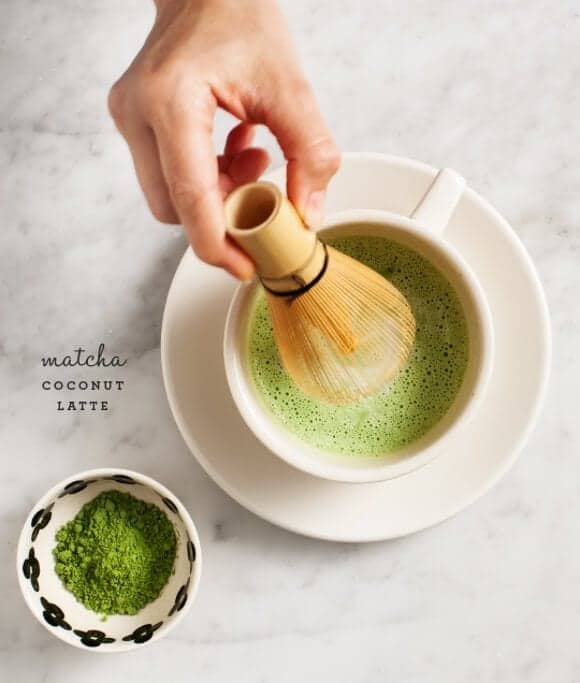
Next, you'll need a chasen, a bamboo whisk, essential for creating matcha's characteristic frothy texture. Choose a chasen with many tines for best whisking. A good chasen lasts with care but will wear down. Avoid plastic or metal whisks; they don't create the same texture.
A chashaku, a bamboo scoop, measures matcha powder and ensures consistency, though a teaspoon works. A small sifter breaks up clumps for a smoother consistency. Electric frothers tend to over-froth and can create a bitter taste.
Affordable starter sets online include a chawan, chasen, and chashaku. Look for sets made from quality bamboo. A simple, well-made set is adequate for starting.
The Perfect Matcha Latte: A Step-by-Step Recipe
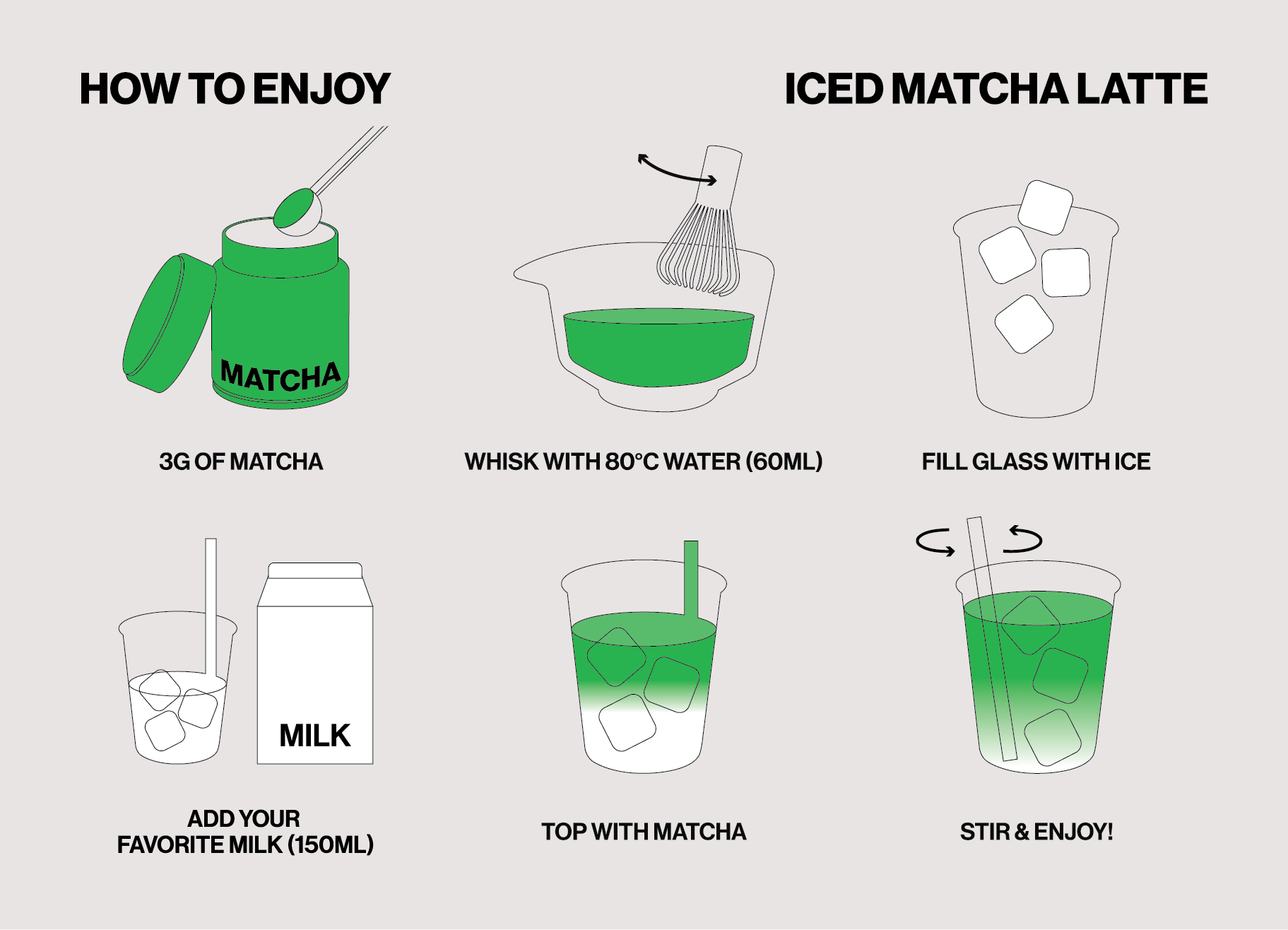
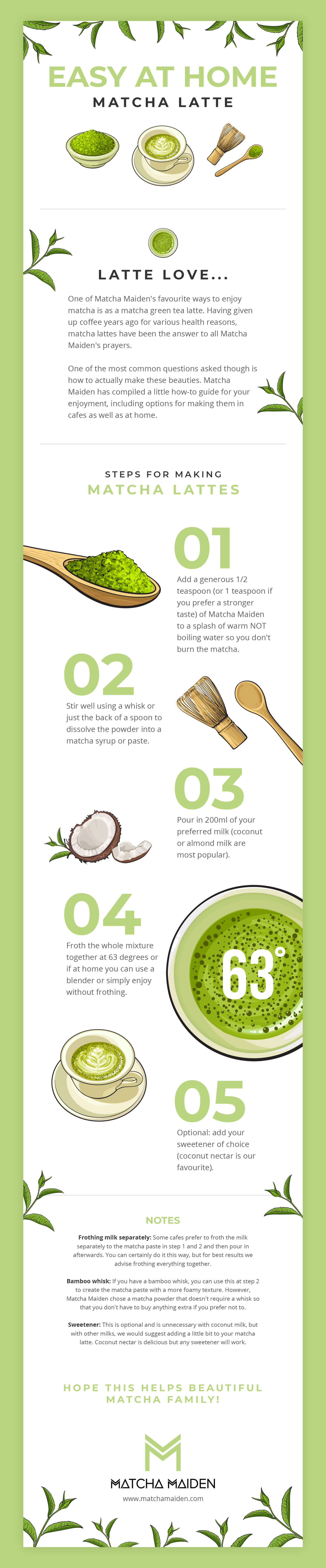
To make a classic matcha latte, sift 1-2 teaspoons of matcha powder into your chawan. Sifting prevents clumps and ensures a smooth texture. Add about 2 ounces of hot water (175°F/80°C), not boiling, as boiling water can scald the matcha and make it bitter.
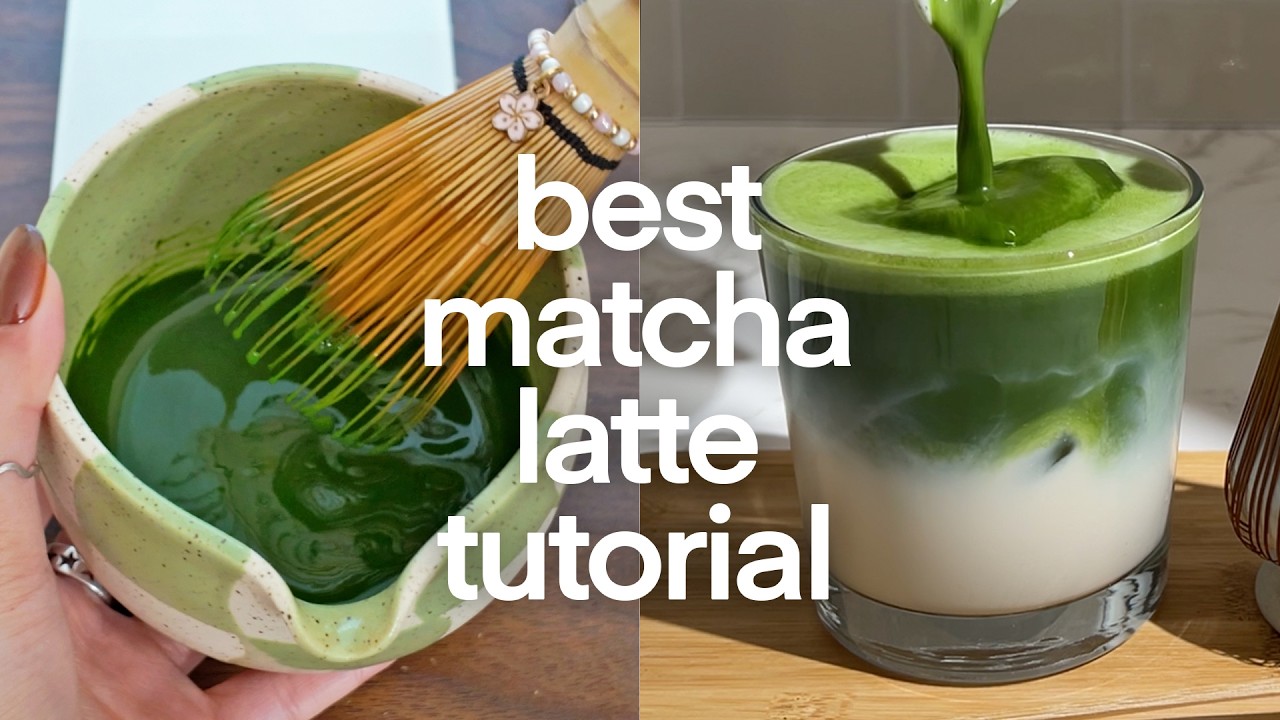
Whisk vigorously with your chasen in a "W’ or ‘M" motion, whisking across the surface, not pressing down hard. Continue for 20-30 seconds until a light foam forms. Adding a bit of sugar water can help the matcha dissolve and create a smoother texture.
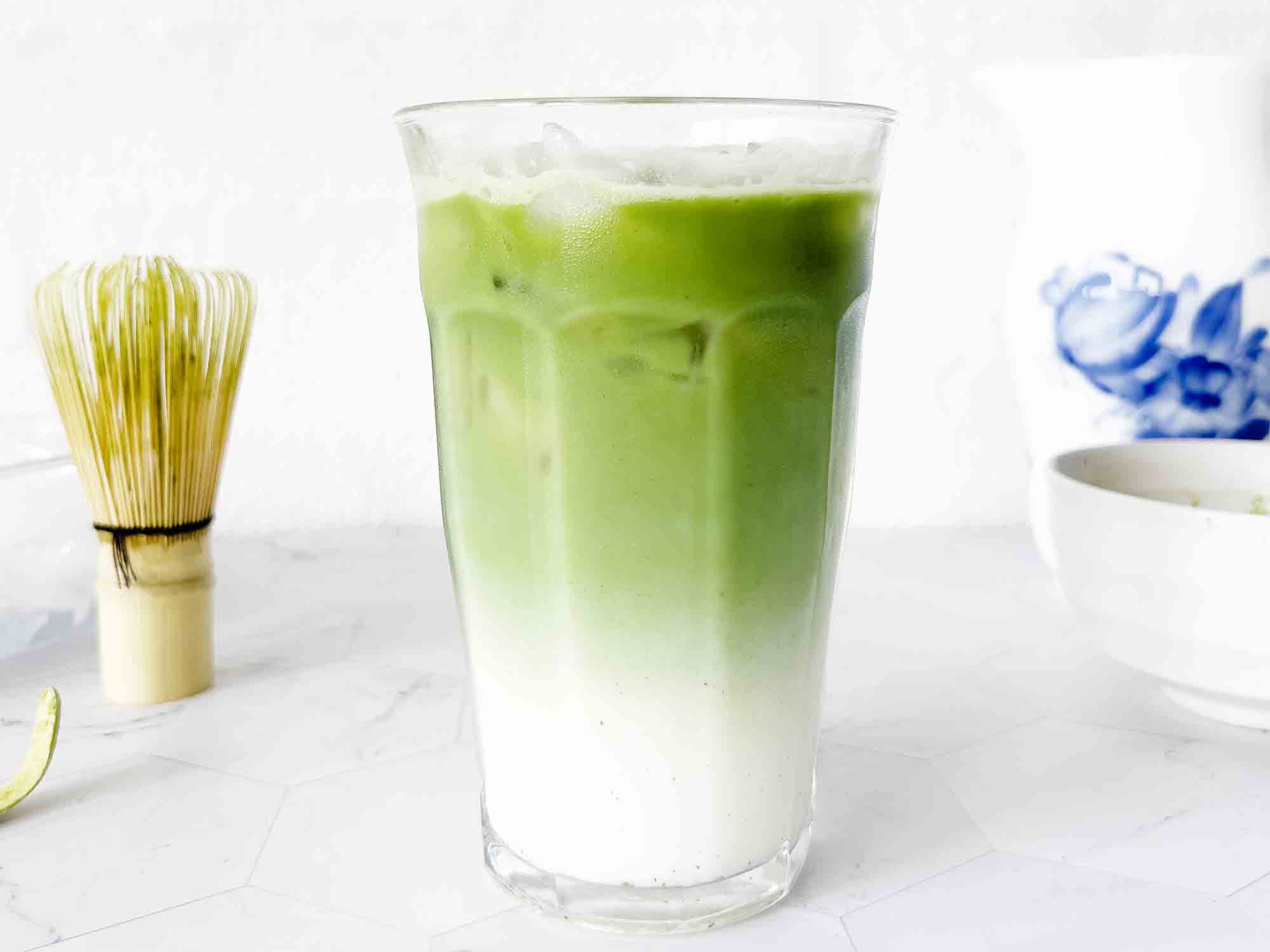
While whisking, heat 8-10 ounces of your milk. Oat milk creates a creamy texture and complements matcha flavor. Almond and soy milk are good options. Avoid dairy to experience matcha's full flavor, as it can mask delicate notes.
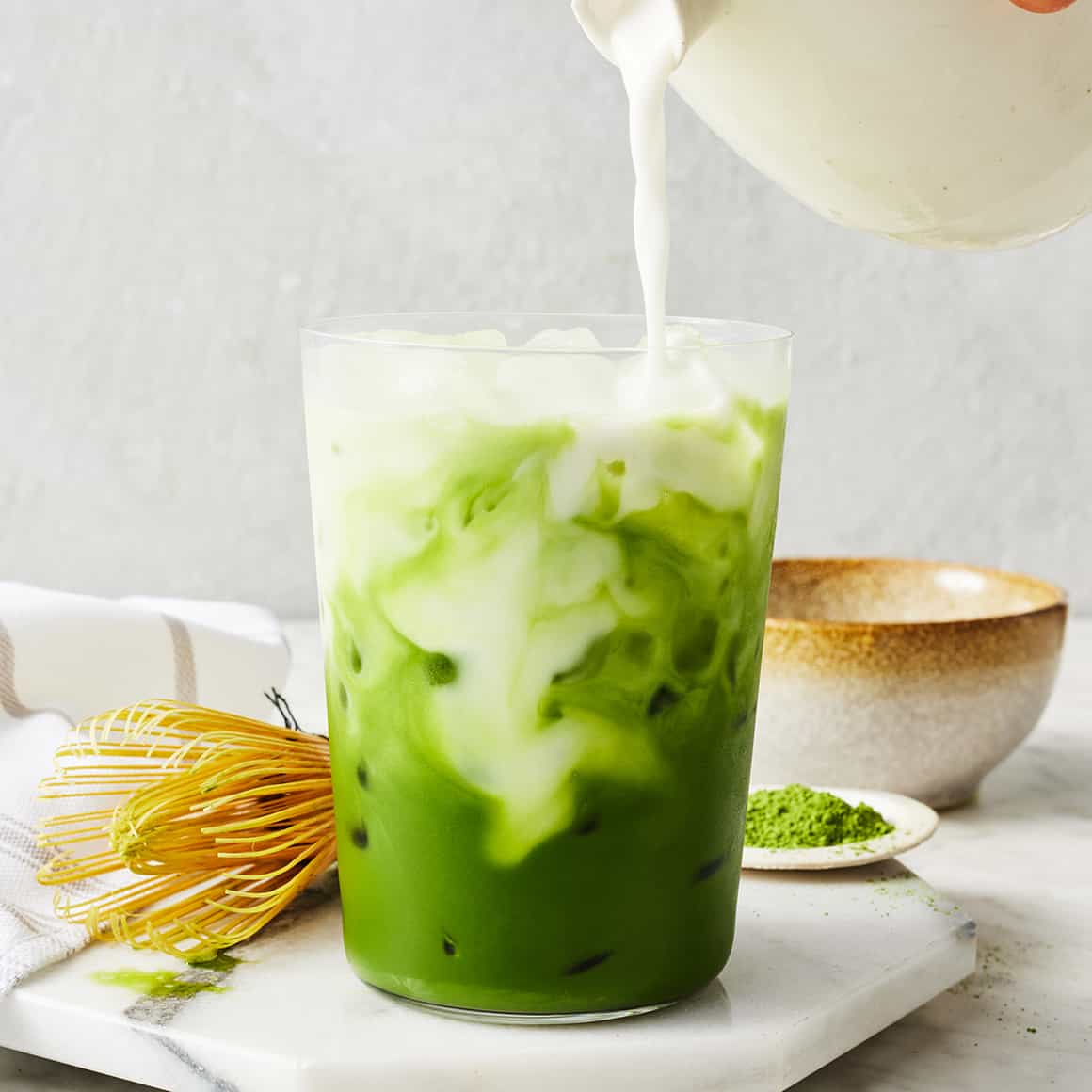
Froth the heated milk using a steam wand, milk frother, or by shaking it in a jar. Pour the frothed milk over the whisked matcha. Sweeten to taste with honey, maple syrup, or your preferred sweetener. For an iced matcha latte, pour the matcha mixture over ice and top with cold milk. Experiment with milk-to-matcha ratios to find your balance.
Matcha Latte Starter Kit
- Matcha Powder - Ceremonial grade is best for lattes, offering a smoother, less bitter flavor. Culinary grade works too!
- Milk of Choice - Dairy, oat, almond, soy, or coconut milk all work beautifully. Consider Oatly Barista Edition or Califia Farms Barista Blend for optimal frothing.
- Sweetener (Optional) - Maple syrup, honey, agave nectar, or even a simple syrup can balance the slight bitterness of matcha.
- Whisk (Chasen) - A traditional bamboo whisk is ideal for creating a frothy matcha base, but a small metal whisk can be substituted.
- Matcha Bowl (Chawan) - While not essential, a wide-bottomed bowl makes whisking easier. Any small bowl will work in a pinch.
- Sifter - Helps break up clumps in matcha powder for a smoother latte. A small, fine-mesh kitchen sifter is perfect.
- Milk Frother - For creating a cafe-style foamy latte. Options include handheld frothers, electric frothers like those from Miroco, or the steaming wand on an espresso machine.
- Measuring Spoons - Accurate measurement ensures the perfect matcha-to-milk ratio. A standard teaspoon set is sufficient.
Beyond the Latte: Creative Matcha Recipes
Matcha isn’t limited to lattes! Its unique flavor lends itself beautifully to a wide range of recipes. Inspired by recipes on loveandlemons.com, I love adding matcha to smoothies for a boost of antioxidants and a vibrant green color. Combine matcha with banana, spinach, almond milk, and a touch of honey for a delicious and healthy breakfast.
Matcha cookies are another favorite. The subtle bitterness of the matcha balances the sweetness of the cookie dough, creating a sophisticated flavor profile. You can find countless recipes online, many of which incorporate white chocolate for an extra touch of indulgence. Matcha pancakes are also a fun and easy way to incorporate matcha into your weekend brunch.
Don't be afraid to get creative with desserts. Matcha cheesecake, matcha mousse, and matcha tiramisu are all incredibly delicious. You can even add a teaspoon of matcha to your favorite brownie or cake recipe for a subtle earthy flavor. The possibilities are endless.
For something different, try adding matcha to savory dishes. It can be surprisingly good in dips, dressings, or even sprinkled over roasted vegetables. A pinch of matcha can add a unique umami flavor to your cooking.
Health Benefits: What Does the Research Say?
Matcha is often touted as a superfood, and for good reason. It’s packed with antioxidants, particularly catechins, which are linked to a variety of health benefits. These antioxidants can help protect against cell damage and reduce the risk of chronic diseases. Matcha also contains L-theanine, an amino acid that promotes relaxation and focus without causing drowsiness.
Studies have shown that matcha may improve cognitive function, boost energy levels, and support heart health. L-theanine works synergistically with caffeine, providing a sustained energy boost without the jitters often associated with coffee. Some research suggests that matcha may also help with weight management and improve liver health, though more research is needed.
It’s important to note that matcha isn’t a miracle cure. It's a healthy addition to a balanced diet and lifestyle, but it shouldn’t be relied upon as a sole source of health benefits. Consuming matcha in moderation is key. Too much caffeine can lead to anxiety and sleep disturbances.
While the research is promising, it’s still evolving. Focus on incorporating matcha as part of a holistic approach to wellness, rather than viewing it as a quick fix. Remember to consult with a healthcare professional if you have any concerns about incorporating matcha into your diet.
Sourcing & Storage: Keeping Your Matcha Fresh
Matcha degrades over time, losing its color, flavor, and nutritional value. Choosing a reputable supplier is the first step in ensuring you’re getting a high-quality product. Naoki Matcha (naokimatcha.com) is a good example of a company committed to sourcing and providing authentic Japanese matcha. Look for suppliers that are transparent about their sourcing practices and offer detailed information about their matcha grades.
Once you’ve purchased your matcha, proper storage is crucial. Store it in an airtight container, away from light, heat, and moisture. The refrigerator is a good option, but make sure the container is completely sealed to prevent condensation. Avoid storing matcha near strong-smelling foods, as it can absorb odors.
Signs that your matcha is stale include a dull color, a musty smell, or a loss of flavor. If your matcha appears clumpy or doesn’t froth well, it may also be past its prime. A good quality matcha should have a vibrant green color and a fresh, vegetal aroma. Don’t buy matcha in bulk unless you’re confident you’ll use it quickly.
Ideally, use your matcha within a few months of opening the container. Proper storage can help extend its shelf life, but it’s best to enjoy it while it’s fresh.
Where do you typically buy your matcha powder?
Whether you are a seasoned matcha enthusiast or just starting your journey, we want to know where you source your matcha. Your answer helps us tailor future buying guides and recommendations to serve you better. Vote below!
Troubleshooting Common Matcha Problems
One of the most common issues is clumpy matcha. This is usually caused by moisture. Make sure your matcha is stored in an airtight container and use a sifter to break up any clumps before whisking. If the matcha is severely clumpy, it may be stale. Another problem is bitter-tasting matcha. This can be caused by using boiling water, over-whisking, or using a lower-quality matcha.
If your matcha isn’t frothing properly, make sure you’re using the correct whisking technique and that your chasen has plenty of tines. Also, ensure the water isn’t too hot or too cold. Experiment with different milk types, as some froth better than others. Sometimes, a small amount of sugar can help with frothing.
Finally, if your matcha latte tastes bland, you may need to use more matcha powder. Start with 1 teaspoon and adjust to your preference. Don't be afraid to experiment with different sweeteners and milk alternatives to find the perfect balance. The key is practice and experimenting until you find what works best for you.
Don't get discouraged if your first few attempts aren’t perfect. Making matcha takes a little practice, but the reward – a delicious and healthy beverage – is well worth the effort.
No comments yet. Be the first to share your thoughts!